Restoration of Grade 2 Listed Buildings
Understanding Grade 2 Listed Buildings
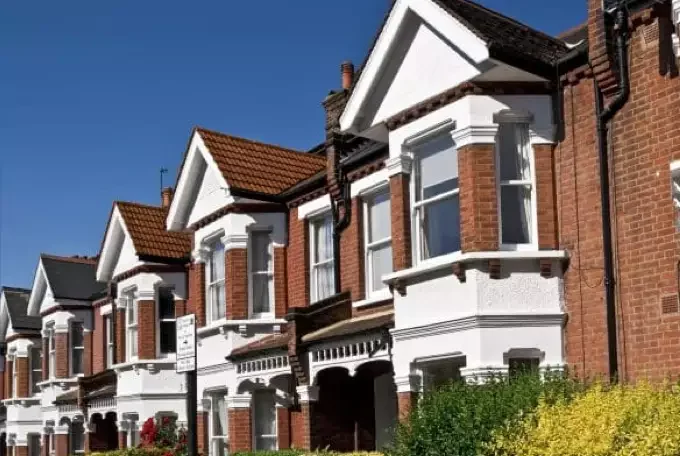
Grade 2 listed buildings are recognised for their special architectural or historic interest and make up the majority of listed properties across the UK. These buildings are legally protected, meaning that any alterations or repairs must be carried out carefully and in line with heritage regulations. Many Grade 2 listed buildings date back hundreds of years and were constructed using traditional materials and techniques that differ greatly from modern construction methods. Stone masonry, handmade bricks, lime mortar and timber framing are all common features in these historic structures. Because of their age, it is not unusual for these buildings to develop structural problems over time, including cracked walls, weakened mortar joints or movement within the structure. At City Structural Ltd, we understand how to work with these traditional materials and construction styles. Our restoration work focuses on strengthening the building while maintaining its original appearance and architectural integrity.

Common Structural Issues in Grade 2 Listed Buildings
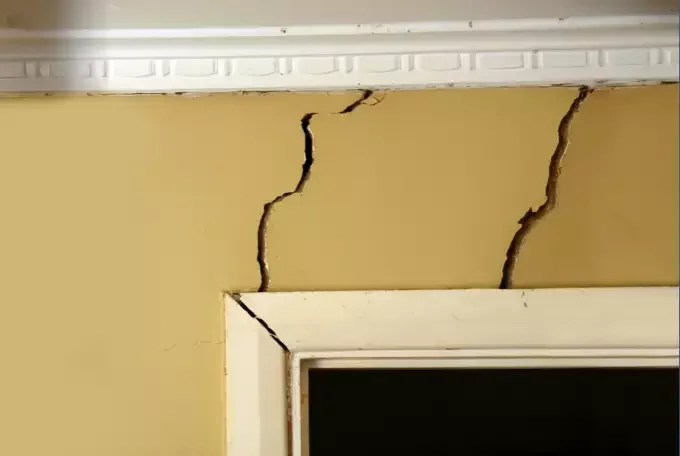
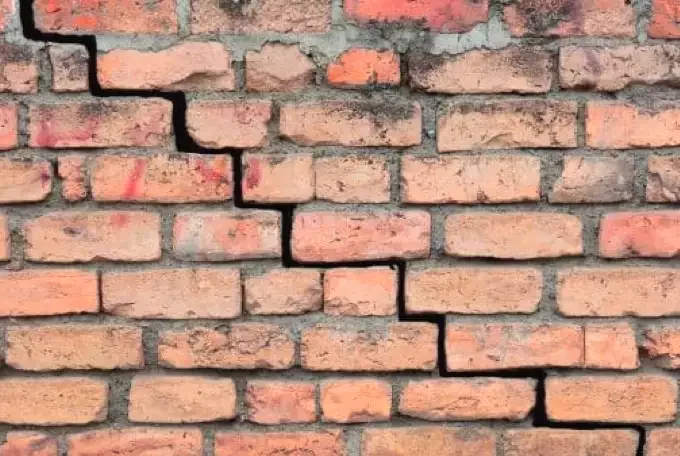
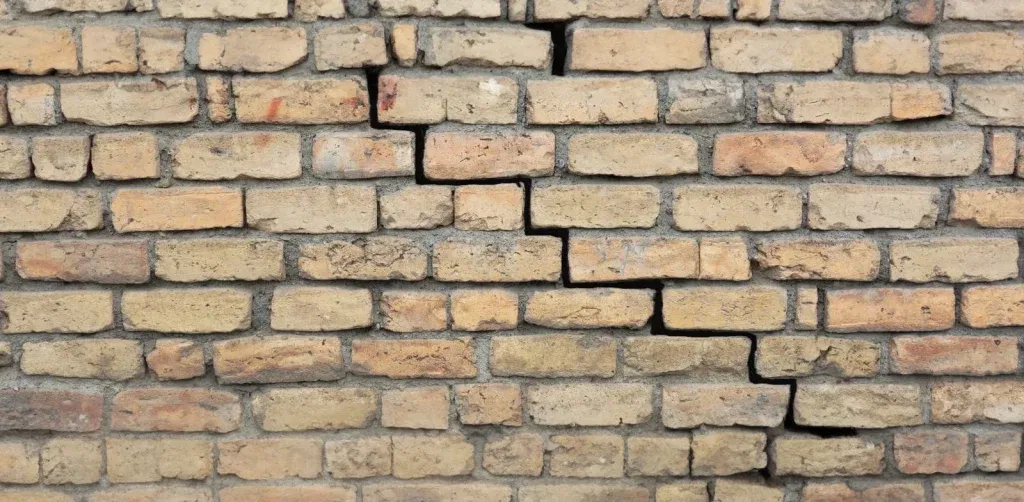
Over time, Grade 2 listed buildings can experience a range of structural challenges caused by natural ageing, environmental conditions and gradual settlement. Cracks in masonry walls are one of the most common problems, often appearing as stepped cracks along mortar joints or around window and door openings. These cracks may develop due to ground movement, changes in moisture levels or the natural shifting of the building over many years. Deterioration of mortar joints is also frequently seen in older structures, particularly where traditional lime mortar has weathered or where previous repairs used unsuitable materials. Timber beams and structural elements can weaken due to moisture, rot or prolonged structural stress. In some cases, earlier repair work carried out decades ago may have introduced materials that do not work well with the original structure.
Sensitive Restoration Techniques
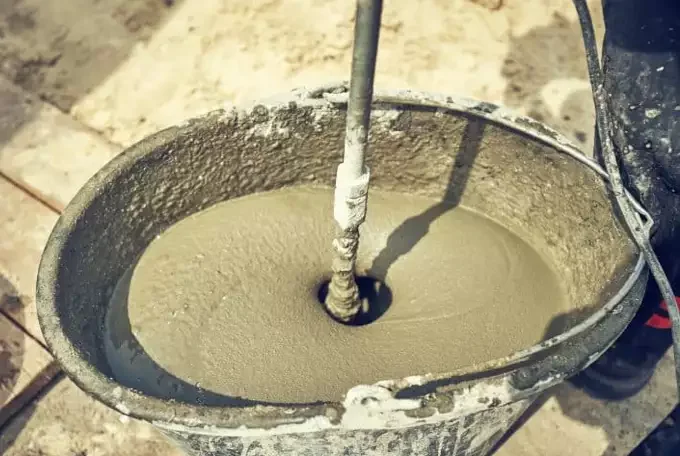
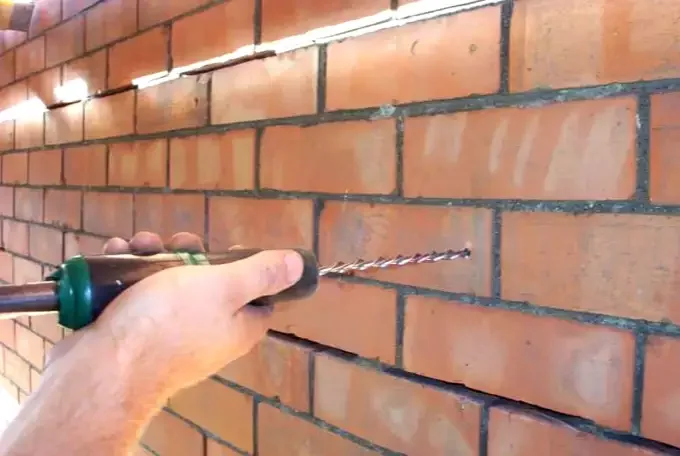
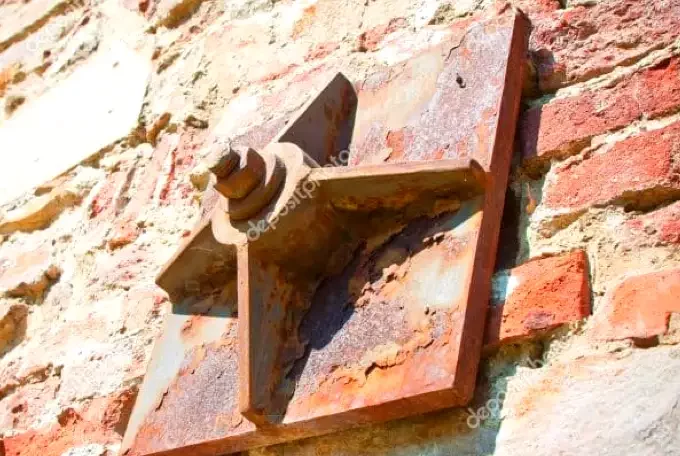
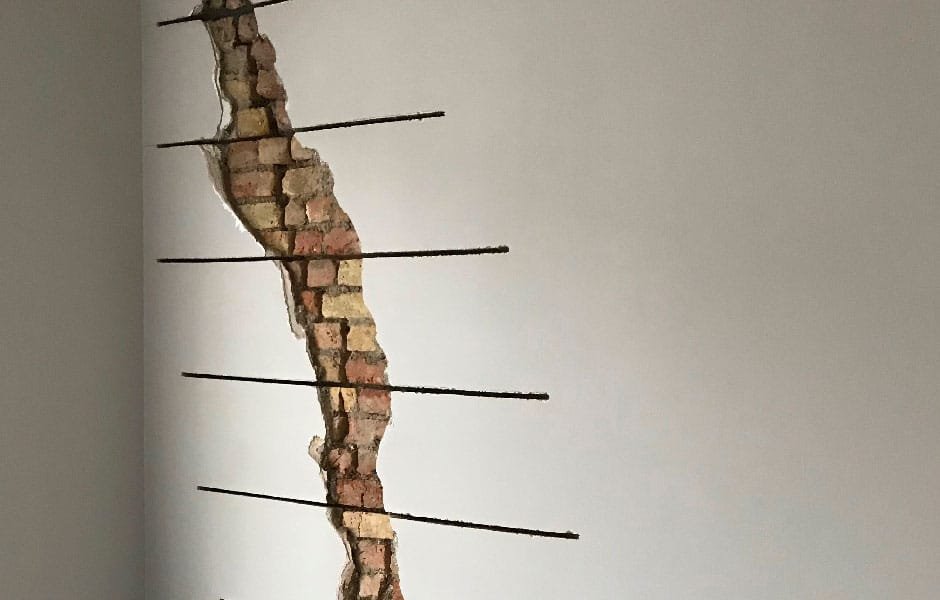
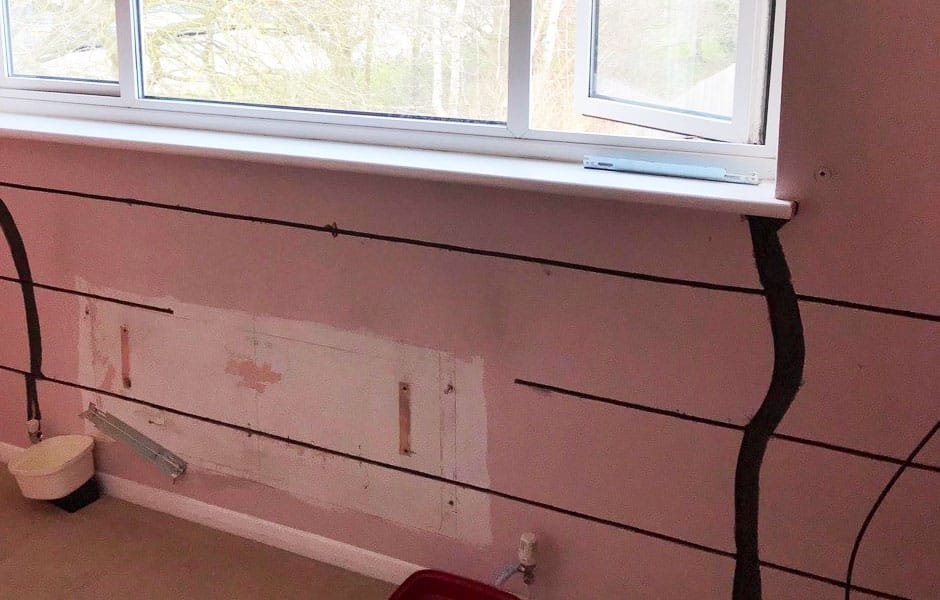
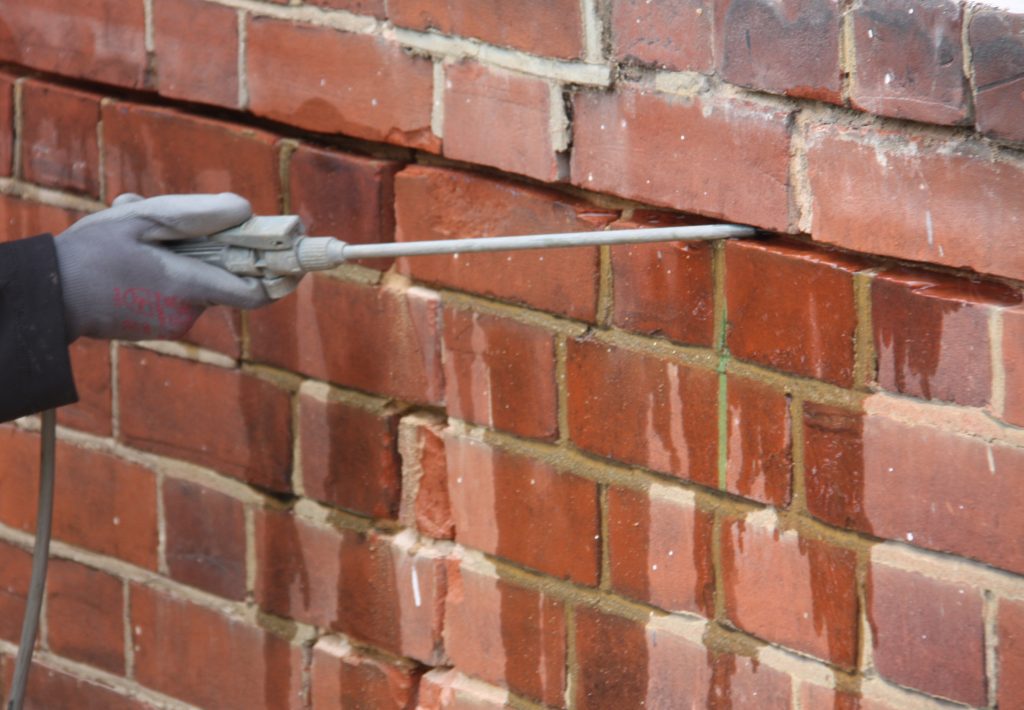
Restoring a Grade 2 listed building requires a careful and sympathetic approach that respects the building’s history while addressing structural concerns. At City Structural Ltd, we use restoration techniques that strengthen the structure without unnecessarily replacing original materials. In many cases, masonry reinforcement and crack stitching can stabilise walls while leaving the external appearance unchanged. Where mortar joints have deteriorated, traditional repointing using compatible lime-based materials can restore both the strength and breathability of the masonry. Timber structures may also be carefully repaired or reinforced to maintain the original framework of the building. The goal of any restoration project is to retain as much of the historic fabric as possible while ensuring the property is structurally secure.
Why Choose City Structural Ltd for Grade 2 Listed Building Restoration
City Structural Ltd has extensive experience working with listed buildings and historic properties throughout the UK. We understand that restoring a Grade 2 listed building requires specialist knowledge, attention to detail and a strong respect for heritage conservation. Our team begins every project with a thorough assessment of the building’s structure to identify the underlying causes of any damage. From there, we develop restoration solutions that strengthen the building while protecting its historic character. We regularly work alongside conservation officers, surveyors and structural engineers to ensure our repair methods meet the necessary heritage standards and regulations. Our skilled team takes pride in delivering high-quality workmanship while maintaining clear communication with property owners throughout the project.
Restoring Historic Properties Across the UK
City Structural Ltd proudly provides restoration services for Grade 2 listed buildings nationwide. These properties are an essential part of the UK’s architectural heritage, and we are committed to helping preserve them for future generations. From historic cottages and townhouses to heritage commercial buildings and converted barns, we have experience working with a wide range of listed structures. Every restoration project is approached individually, taking into account the building’s age, materials and unique structural challenges. Our aim is always to deliver repairs that are durable, sympathetic and appropriate for the property. By combining traditional building knowledge with modern structural expertise, we are able to restore stability while maintaining the character that makes each building special. Contact us today.

Frequently Asked Questions
A Grade 2 listed building is a property that has been officially recognised for its special architectural or historic interest. In the UK, listing is a way of protecting buildings that contribute to the country’s heritage. Grade 2 is the most common listing category and includes a wide range of properties such as historic houses, cottages, townhouses, barns and other structures that hold cultural significance. Being listed means the building is legally protected, and any work that could affect its character must be carefully managed. This includes structural repairs, alterations or restoration work. The aim of listing is to preserve the building’s historical features and ensure that any changes respect its original design. Owners of Grade 2 listed buildings are responsible for maintaining the property, but repairs must be carried out in a way that protects its historic value. Specialist knowledge is often required to ensure restoration work is both effective and appropriate.
In many cases, restoration work on a Grade 2 listed building will require Listed Building Consent from the local authority. This is a legal requirement designed to ensure that any changes made to the building do not damage its historic character or architectural features. Even structural repairs may require approval if they involve altering original materials or structural elements. The exact requirements can vary depending on the type of work being carried out and the significance of the building. It is always advisable to check with the local planning authority before beginning any restoration project. At City Structural Ltd, we understand the importance of following the correct procedures when working on listed buildings. We often work alongside conservation officers, surveyors and engineers to ensure that repairs meet heritage guidelines. Taking the proper steps at the start of a project helps avoid delays and ensures that restoration work is carried out responsibly and legally.
Grade 2 listed buildings often require repairs due to the natural ageing of traditional materials and the gradual movement of the structure over time. Cracks in masonry walls are a common issue and may occur as the building settles or responds to environmental changes. Mortar joints can also deteriorate over many years, particularly if exposed to harsh weather conditions. Timber elements such as beams and floor structures may weaken due to moisture or long-term structural stress. Another common problem is the impact of previous repair work that used unsuitable modern materials, which can lead to further deterioration. Restoration work typically focuses on stabilising the structure while preserving as much of the original fabric as possible. At City Structural Ltd, we begin with a detailed assessment to identify the cause of the problem and recommend repair solutions that strengthen the building while respecting its historic construction.
Yes, modern repair techniques can often be used on Grade 2 listed buildings, but they must be chosen carefully and applied in a way that respects the building’s historic character. Many modern structural repair systems are designed to be discreet and minimally invasive, making them suitable for historic properties. Techniques such as masonry reinforcement, crack stitching and structural stabilisation can strengthen a building without changing its external appearance. The key is ensuring that these systems are compatible with traditional materials and construction methods. In many cases, modern reinforcement can be combined with traditional techniques such as lime mortar repointing to create a balanced and sympathetic repair. At City Structural Ltd, we carefully evaluate each building before selecting the most appropriate repair method. Our aim is always to strengthen the structure while maintaining the authenticity and historical integrity of the property.
There are several signs that may indicate a Grade 2 listed building requires restoration or structural repairs. Cracks appearing in walls, particularly around windows, doors or along mortar joints, can suggest movement within the structure. Bulging or leaning walls, uneven floors, or doors and windows that suddenly become difficult to open may also indicate structural issues. Deteriorating mortar, damp patches or decaying timber elements can sometimes signal deeper problems that need attention. Because historic buildings behave differently from modern structures, small issues can develop slowly over time and may not be immediately obvious. If you notice any changes in your property’s structure, it is important to have it inspected by professionals experienced in historic building repairs. At City Structural Ltd, we carry out detailed structural assessments to determine the condition of the building and recommend restoration work where necessary, helping protect the property for the future.