
Foundation Repairs in Reading on Thames
Understanding What Is Happening Beneath Your Property
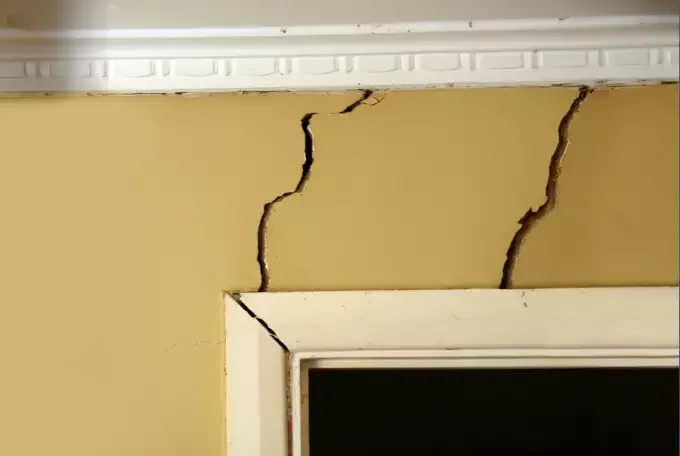
Foundation movement can affect different parts of a building in different ways. An extension may begin separating from the original house, a bay window may move independently, or cracks may develop around openings as supporting ground conditions change. The visible damage provides useful evidence, but it does not establish the cause on its own.
At City Structural Ltd, we consider the building as a whole before recommending foundation repairs. This includes its construction, previous alterations, the position of the damage and any available information about drainage or earlier movement.
Where the problem involves several structural elements, our wider structural repairs can form part of a coordinated repair programme. The aim is to establish which areas need attention and how the proposed work will improve their support, rather than selecting a foundation repair method before the investigation is complete.


Investigating the Cause of Foundation Movement
Successful foundation repairs depend on understanding why the movement has occurred. Possible contributing factors include leaking underground drainage, changes in moisture within susceptible soils, inadequate existing foundations or differences between the foundations supporting adjoining sections of a building.
The investigation required will depend on the evidence found. A structural inspection may be supported by drainage investigations, trial pits, ground information or monitoring where it is necessary to establish whether movement remains active. Existing survey reports and dated photographs can also help explain how the damage has developed.
Our subsidence repair services address properties where movement is associated with changes in the supporting ground. However, foundation concerns do not always indicate subsidence. Establishing the distinction matters because the repair must address the actual mechanism affecting the building, including any contributing defects that would otherwise remain unresolved.
Underpinning and Foundation Stabilisation Options
Underpinning strengthens or supplements the support beneath existing foundations. It may be appropriate where an assessment establishes that the current foundation arrangement cannot provide the support the affected structure requires. The design must consider the building loads, available bearing ground, access and the relationship between repaired and unrepaired sections.
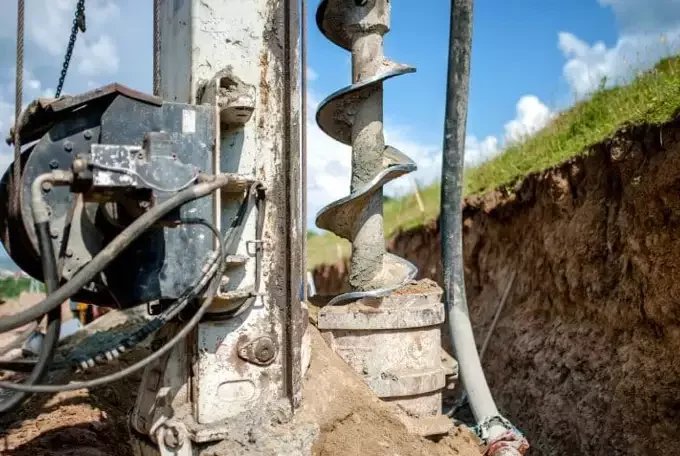
Traditional underpinning can involve extending foundations through carefully sequenced excavation and concrete construction. Piled solutions provide another approach, transferring loads to suitable supporting ground at depth.
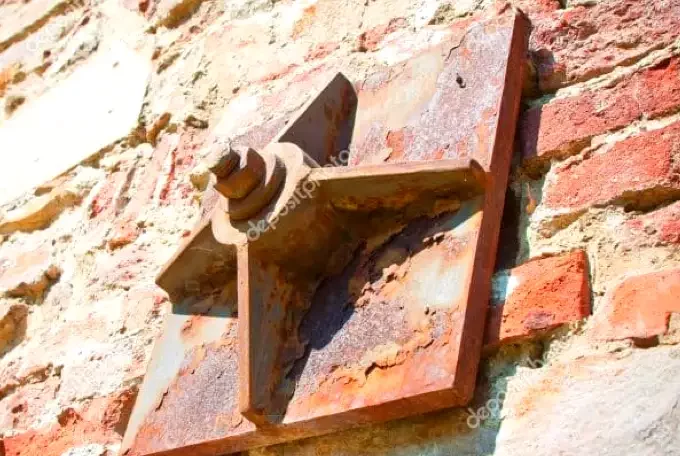
Our micro piling service may be considered where deeper support is needed or access restricts the equipment that can reach the affected area. Helifix micro piles use an engineered arrangement of piles and brackets to support existing foundations, with the design informed by ground conditions and the individual building. Suitability must be established for each property before installation is proposed.
Repairing the Damage Associated with Foundation Problems
Improving foundation support and repairing the damage above it are related stages of a structural repair project. Once the cause of movement has been addressed and the repair specification allows, attention can turn to cracked masonry and other affected elements.
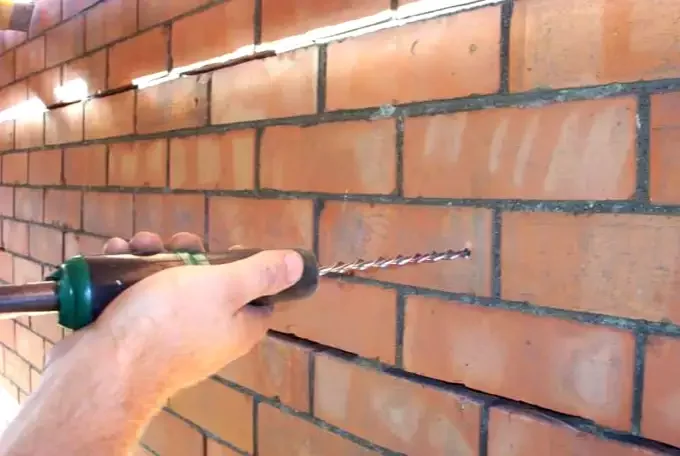
Our structural crack repairs can help restore continuity within damaged brickwork using reinforcement methods selected for the wall and the pattern of cracking. Where movement or deterioration has affected structural concrete, we can also assess whether concrete repairs are required.
The programme should establish the correct sequence for these works. Repointing or decorating too early can conceal useful evidence and leave finishes vulnerable to further damage if movement continues. By considering foundation support alongside the condition of the wider structure, we can explain which repairs are necessary and when they should take place.


A Clear Approach to Foundation Repairs in Reading
Foundation concerns can leave property owners uncertain about the scale of the problem and the work involved. We focus on explaining what the assessment has established, what remains to be investigated and why a particular repair approach is being considered.
Our team provides consultation, diagnosis and the design and implementation of structural repair strategies. We review available information before developing recommendations, including engineers’ reports, previous repair details and photographs showing how the affected area has changed.
Access and occupation are also considered during planning. A terraced home, an occupied shop and a detached property may require different arrangements for equipment, working space and protection of surrounding areas. You can request an initial estimate by supplying a description of the problem, clear photographs and relevant documents, allowing our team to advise on the next step.



Frequently Asked Questions
Cracks may be associated with foundation movement, but their appearance alone cannot confirm the diagnosis. An assessment considers their position, direction and development alongside other changes within the building. Separation between an extension and the main house, distorted openings or changing floor levels can provide additional evidence. It is also important to consider alternative explanations, including lintel defects, thermal movement and deterioration within the masonry. If you have noticed a change, keep dated photographs and explain when it first appeared. City Structural Ltd can assess the visible damage and advise whether further investigation is needed before a foundation repair specification can be developed.
No. Underpinning is one possible response to a foundation problem, and it should follow an assessment that demonstrates why additional support is necessary. Some subsidence cases can be addressed by resolving contributing issues, such as defective drainage, without underpinning the building. The appropriate approach depends on the cause, the condition of the existing foundations and whether movement continues. Professional guidance from RICS also recognises that underpinning is required in only a minority of subsidence cases. City Structural Ltd assesses the evidence before recommending structural intervention, helping you understand whether foundation strengthening is justified or whether another course of action is more suitable.
Foundation repairs can be designed for an affected part of a building where investigation shows that localised support is required. An extension or bay window may have a different foundation arrangement from the original house, so its movement needs to be assessed in relation to the adjoining structure. The repair design considers the loads being supported, the connection between the two sections and the ground beneath them. Some bay window defects involve masonry or inadequate support around openings rather than foundation failure, which is why diagnosis remains essential. Our bay window stabilisation service provides a related option where the assessment identifies a suitable structural repair.
The cost depends on the extent of the affected area, the investigations required and the repair method specified. Access to the foundations, underground services, ground conditions and the amount of associated masonry repair can all influence the scope of work. A localised stabilisation scheme will have different requirements from a project involving several elevations or substantial excavation. Existing reports can help establish what is already known, although further investigation may still be necessary. City Structural Ltd reviews the property and proposed work before providing an estimate. This allows the cost to relate to an identifiable repair scope, including any making good that forms part of the agreed programme.
Occupation arrangements depend on the repair design, the condition of the building and the areas that need to be accessed. Some foundation stabilisation methods can be installed externally, which may reduce disturbance within the property. Other projects require excavation, restricted access or temporary arrangements that affect how particular rooms can be used. Remaining in occupation should therefore be considered during planning rather than assumed at the outset. We discuss the proposed working area, equipment access and likely disruption before work begins. If the assessment identifies circumstances that require different occupation arrangements, these can be explained as part of the project planning and agreed repair programme.
We welcome foundation repair enquiries from across Reading, including Caversham, Tilehurst and the town centre, as well as nearby areas such as Earley and Woodley. Our wider service coverage also includes Berkshire locations with existing local service pages, including Wokingham, Bracknell and Maidenhead. When contacting us, provide the property address and a description of the changes you have noticed so we can confirm coverage and discuss the assessment required. Photographs and existing engineers’ reports are helpful, particularly where you are seeking advice about recurring cracking, movement around an extension or a previously recommended foundation repair.