
Foundation Repairs in Bracknell
Assessing Foundation Problems in Bracknell
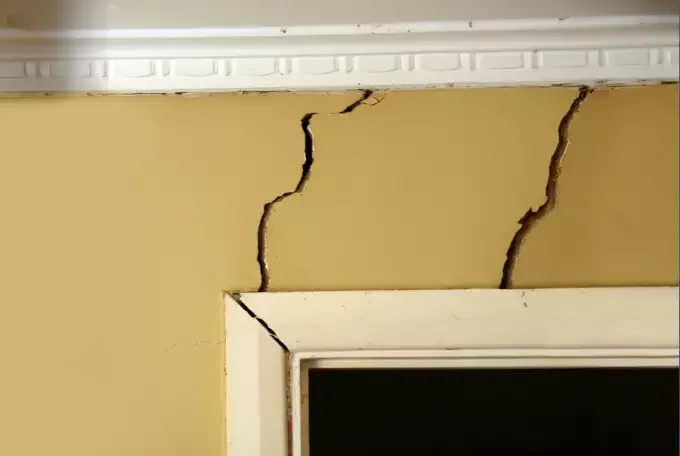
Changes within a building can raise questions about the condition of its foundations. Cracks may return after decorating, an extension may begin separating from the original house, or previously level floors may show signs of movement. These changes deserve investigation, but the appropriate repair depends on what is causing them.
At City Structural Ltd, we provide foundation repairs in Bracknell based on an assessment of the structure and the support beneath it. We consider where the damage has appeared, how the building was constructed and whether previous alterations have changed its foundation requirements.
Our wider structural repairs allow foundation concerns to be considered alongside defects affecting walls, openings and other supporting elements. This helps establish a repair programme that addresses the areas requiring attention, with recommendations explained before installation work begins.


Establishing Why the Building Has Moved
Foundation movement can develop for several reasons. Changes in supporting ground, leaking drainage, insufficient existing footings or differences between adjoining foundation arrangements may all contribute. Identifying which factors apply to your property is essential when deciding how to restore support.
We review the pattern of damage alongside available records, including engineers’ reports, previous repair specifications and information about extensions or structural alterations. Further investigation may involve examining existing foundations, obtaining ground information or monitoring movement where its progression is uncertain.
Where the findings indicate movement associated with the supporting ground, our subsidence repairs can form part of the proposed solution. Any contributing drainage or ground-related issues also need to be considered within the overall programme. Strengthening foundations without understanding these influences could leave an important part of the problem unresolved.
Selecting Suitable Underpinning and Foundation Support
Underpinning provides additional support where an existing foundation arrangement requires strengthening. The method must be chosen around the building loads, the condition of the foundations and the ground available to support them. Access and nearby structures also influence how the work can be carried out.
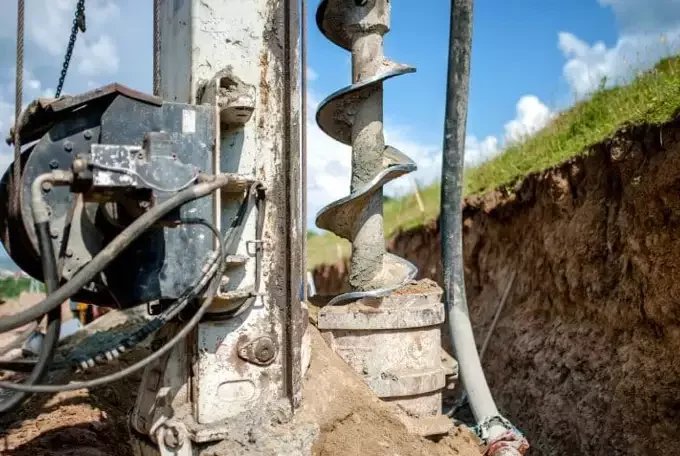
Traditional concrete underpinning involves extending or strengthening existing foundations through a designed sequence of excavation and construction. In other circumstances, a piled solution may provide a suitable route for transferring loads to supporting ground at a greater depth.
Our micro piling service can be considered for Bracknell properties where deeper foundation support is required. Compact installation equipment may also offer advantages where access beside an extension or between buildings is restricted.
The repair design establishes the position and capacity of the supporting elements. We explain why the proposed approach suits the findings, rather than treating underpinning as an automatic response to visible cracking.
Coordinating Foundation Repairs with Work Above Ground
Foundation movement can place stress on the masonry and other elements supported by the affected area. Once the necessary stabilisation work has been completed and the repair specification permits, these associated defects can be addressed in the appropriate sequence.
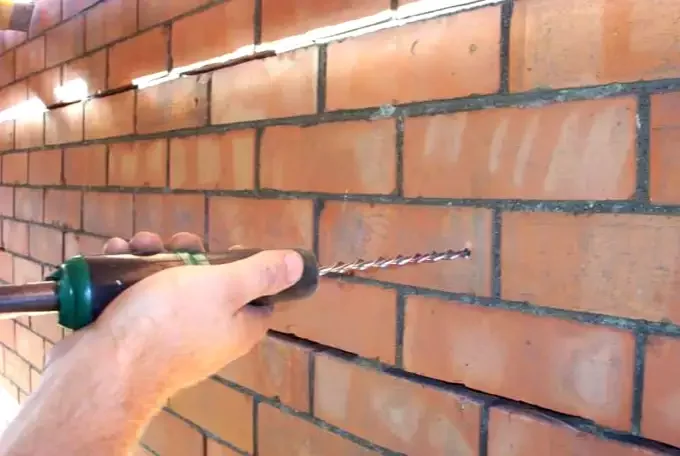
We provide structural crack repairs where damaged brickwork requires reinforcement or another specified repair. The technique depends on the wall’s construction, the position of the cracks and the forces acting through it.
Where structural concrete has also deteriorated, our concrete repairs can address defects identified during the assessment. Concrete deterioration and foundation movement require their own diagnosis, even when both occur within the same property.
Considering these works together helps define the complete repair scope. It also establishes when repointing, internal finishes and other making good should take place, reducing the likelihood of completing decorative work before the underlying structural concerns have been resolved.


Planning Foundation Repairs Around Your Property
A foundation repair project needs to account for how the property is accessed and occupied. Narrow side passages, established gardens, underground services and adjoining buildings can all affect the working arrangements. For commercial premises, deliveries, customer access and normal operations may also need consideration.
City Structural Ltd reviews these circumstances alongside the repair requirements. This helps identify the space needed for equipment, the areas affected by excavation and any associated work included in the programme.
The scope also informs the estimate. Foundation repairs in Bracknell may involve a single affected section or several parts of a building, with different requirements for investigation, installation and making good.
You can request an initial estimate by providing photographs, a description of the damage and any relevant reports. We can then explain what further information or assessment is needed to develop the proposed work.



Foundation Repairs in Bracknell FAQs
An extension and the original building may have different foundation depths, construction details or supporting ground conditions. If they move differently, gaps or cracks can develop where the two structures meet. However, separation can also involve defects in their connection or other structural issues, so foundation failure should not be assumed from appearance alone. An assessment considers the age of the extension, the position of the damage and whether the gap is changing. City Structural Ltd can investigate the affected junction and advise whether the property requires foundation stabilisation, masonry reinforcement or further investigation before a suitable repair approach can be established.
Defective underground drainage can affect the ground supporting a building. Depending on the soil and the nature of the leak, escaping water may soften the ground or remove material from beneath the foundations. This can contribute to uneven support and movement within the structure. A drainage investigation may therefore be recommended where the location of the damage or other evidence suggests a possible connection. Repairing the drainage defect may be an important part of the response, although any resulting structural damage still requires assessment. We consider relevant drainage findings when planning foundation repairs so that the proposed work reflects the identified cause of movement.
The decision depends on the support required and the conditions beneath and around the building. Concrete underpinning may be appropriate where the existing foundations can be extended to suitable bearing ground through a designed excavation sequence. Micro piling may be considered where support is needed at greater depth or where access makes other methods less suitable. Structural loads, underground services, neighbouring foundations and the condition of the existing building all influence the choice. City Structural Ltd reviews the available evidence and any necessary investigation findings before recommending a method. The objective is to select a support arrangement appropriate to the property, with its requirements explained clearly.
Localised foundation repairs may be suitable where investigation establishes that the problem affects a particular section and the remaining structure has adequate support. This could involve an extension, a corner of a building or another defined area. However, the repair design must consider how strengthening that section will affect adjoining parts of the property. The visible crack pattern alone does not establish the boundaries of the work required. City Structural Ltd assesses the affected area in relation to the wider building before developing recommendations. This helps determine whether targeted stabilisation is appropriate or whether a more extensive foundation repair programme is necessary.
Start with the property address, a description of the damage and an approximate date when you first noticed it. Explain whether cracks have widened, returned after previous repairs or appeared alongside changes in doors, windows or floors. Clear photographs showing both the affected detail and its position within the building are useful. Existing structural reports, extension drawings and previous foundation repair records can also help establish the property’s history. You do not need to identify the cause yourself before contacting us. City Structural Ltd can review the information available and explain what further assessment may be required to understand the problem and develop repair recommendations.
We welcome enquiries from throughout Bracknell, including Easthampstead, Priestwood, Harmans Water, Great Hollands and Birch Hill, as well as nearby areas such as Binfield and Warfield. Our wider service coverage includes other Berkshire locations with existing local service pages, including Wokingham, Windsor and Reading. Whether you own a residential property, manage rented accommodation or are responsible for commercial premises, send us the address and details of the structural concern. We can confirm coverage and discuss the information needed to assess the proposed work. Access details and any existing engineers’ reports are particularly helpful when planning the next stage.