Wall Tie Replacement in Banbury
Repairing the Connections That Support Your Outer Brickwork
City Structural provides wall tie replacement in Banbury for properties with corroded, ineffective or insufficient cavity wall ties. We assess the existing connections and surrounding masonry, then recommend repairs suited to the construction and condition of the affected walls.
A concealed tie defect can be difficult to understand from visible symptoms alone. City Structural helps property owners establish what is causing the concern, whether replacement ties are required and how the work can be coordinated with any necessary brickwork repairs.
Investigating Concerns Before External Renovation
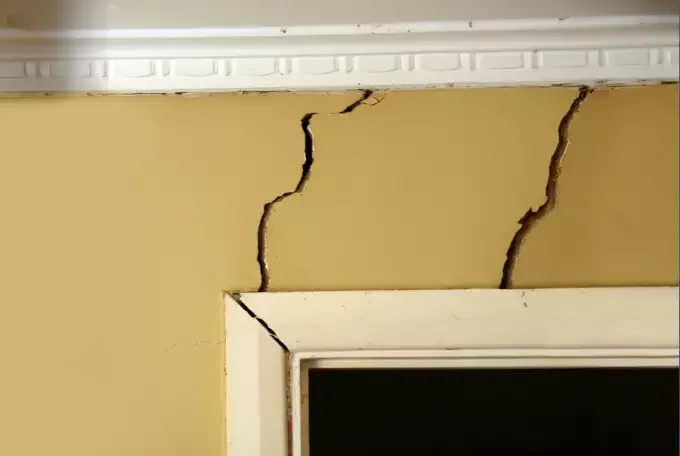
Cracked pointing or uneven brickwork may first attract attention when a property is being repainted, repointed or otherwise refurbished. Before those surfaces are renewed, it is useful to establish whether the damage has a structural cause.
Covering or filling a crack does not restore an ineffective connection within a cavity wall. If defective ties are contributing to the problem, the repair needs to address them before the final surface work is completed.
Our structural repairs in Banbury provide a wider assessment of concerns affecting the building. We consider the visible damage alongside the construction and any relevant history of alterations or previous repairs.
This allows proposed wall tie work to be considered within the overall refurbishment. It also helps distinguish necessary structural repairs from improvements to the external appearance.


Identifying Corrosion and Inadequate Restraint
Wall ties connect the outer masonry leaf of a cavity wall to the structure behind it. Their role includes providing restraint against lateral forces, making suitable connections important to the performance of the wall.
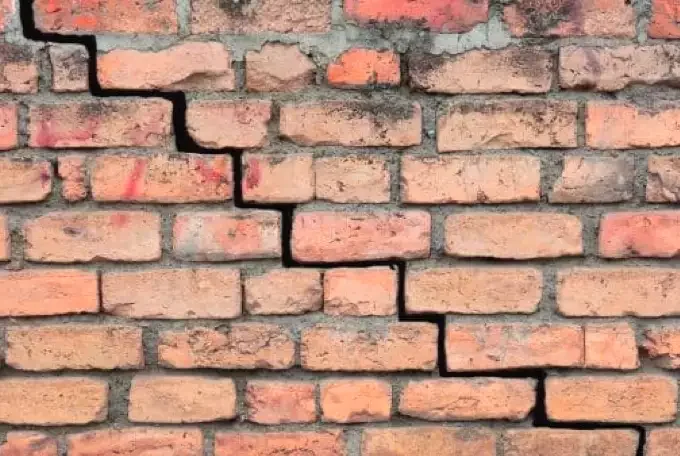
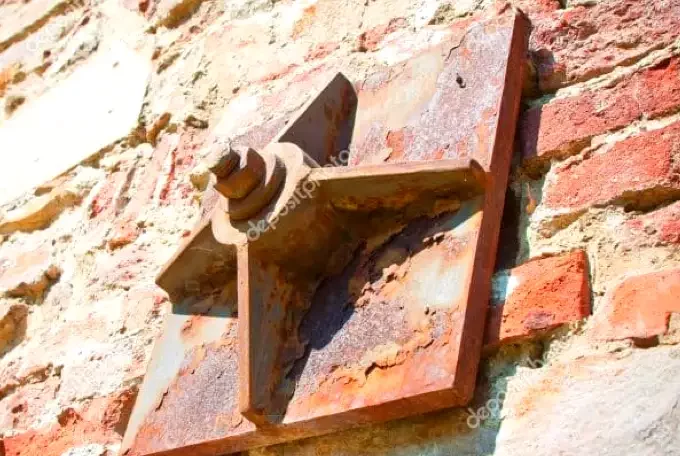
Some older metal ties can corrode within the cavity or where their ends are embedded in mortar. Expanding corrosion products may disrupt the surrounding joints, resulting in horizontal cracks or other masonry damage.
Other defects involve the original arrangement of ties. Insufficient numbers, poor installation or inadequate embedment can affect restraint without necessarily producing the same signs as corrosion.
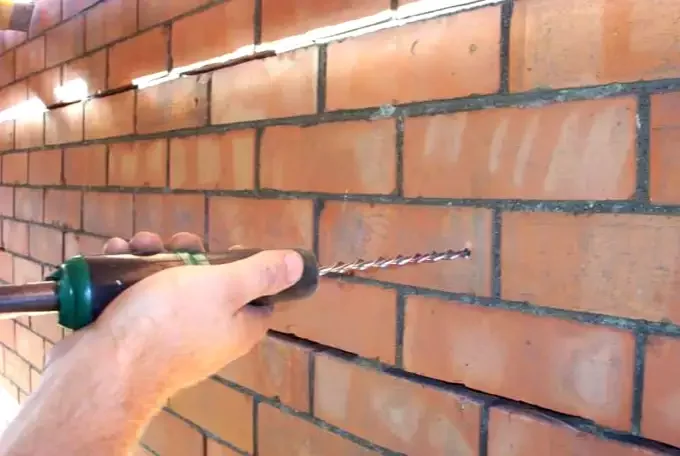
City Structural can locate existing metal ties and examine selected positions using an endoscope through small access holes. These findings help establish whether remedial tying is needed and what further checks are appropriate across the affected elevations.
Specifying Fixings for Brick, Block and Other Substrates
An effective replacement scheme depends on the materials receiving the new ties. The condition of the outer masonry, the inner structure and the dimensions of the cavity all influence which system is suitable.
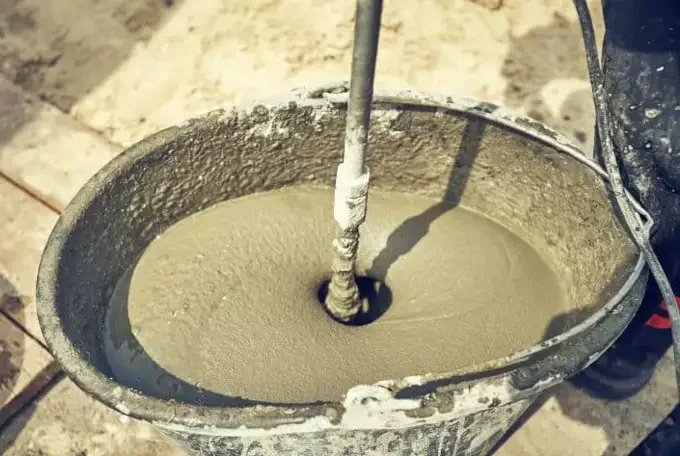
Stainless steel remedial ties can often be installed through small drilled holes. Dry fixing, resin bonding and combined fixing methods provide different options, with the appropriate arrangement selected through the repair specification.
The design also determines tie length, embedment and distribution. Testing may be required to establish fixing performance in the existing materials or check installed connections.
Original ties remain part of the assessment. Where corroding ties could continue placing pressure on mortar joints, appropriate isolation or removal may be needed alongside replacement. The work should account for both the provision of new restraint and the treatment of remaining defective connections.


Coordinating Tie Replacement with Masonry Reinforcement
A wall may need more than replacement connections to address damage that has already occurred. Cracked mortar, damaged bricks and distorted sections require assessment so the repair specification deals with the condition of the masonry as well.
Our structural crack repairs in Banbury can support projects where suitable reinforcement is required. Depending on the findings, this may be coordinated with remedial tying and local reinstatement of affected surfaces.
The investigation must also consider whether movement originates elsewhere. Our subsidence repairs in Banbury address a different concern, while micro piling in Banbury may be relevant where an appropriate foundation design requires it.
These services are selected according to the identified defects. Explaining their different purposes helps establish a clear sequence for structural work and subsequent making good.
Preparing a Workable Repair Plan for Banbury Properties
A practical repair plan considers how the affected elevations can be reached. Restricted side access, extensions, neighbouring boundaries and higher walls can all influence equipment requirements and the organisation of installation.
We welcome enquiries across Banbury, including Grimsbury, Ruscote, Hardwick and Hanwell Fields. Each building is assessed on its own construction and condition, including differences between original walls and later additions.
Existing finishes also require attention. Exposed brickwork, painted surfaces and render can affect the approach to installation holes and the reinstatement needed afterwards.
Our team can discuss your concerns and review relevant photographs or survey information. Details of earlier work and access restrictions help explain the property, providing useful context for an assessment and a repair scope that reflects the conditions on site.

Frequently Asked Questions
Yes, where there is reason to suspect a concealed defect, investigating it before repointing helps establish the correct repair sequence. Repointing renews mortar at the surface, but it does not replace inadequate wall connections or stop original corroded ties from expanding. Completing decorative or surface work first may therefore leave the underlying concern unresolved. However, deteriorated pointing does not automatically indicate wall tie failure, so the assessment needs to establish what is responsible for the damage. Existing survey findings, photographs and the pattern of cracking can help explain the concern. Once the findings are understood, any necessary remedial tying and masonry repairs can be coordinated before the final joints and disturbed surfaces are made good.
Yes, an existing report can provide useful information about the concern and the areas requiring attention. It may describe visible cracking, suspected corrosion or a recommendation for further inspection. City Structural can review the relevant findings alongside information about the building and its construction. Additional investigation may still be needed to establish concealed conditions, the treatment area and a suitable replacement system. The level of detail in reports varies, so a recommendation for wall tie work does not always define the complete installation scope. Photographs and records of previous repairs can provide further context. Bringing this information together helps establish what has already been identified and which questions need answering before the remedial work is specified.
Replacement ties provide new specified connections, but they do not automatically repair damage within the masonry. Cracked joints, broken bricks or displaced areas may need separate treatment according to their condition. Our structural crack repairs in Banbury support work involving appropriate masonry reinforcement, while concrete repair in Banbury addresses suitable concrete elements where separate deterioration is identified. Each repair has its own purpose and should follow an assessment of the relevant defect. Coordinating these tasks helps ensure that the work addresses both deficient restraint and existing damage. The proposed scope should explain which repairs are included, how they relate and what reinstatement will follow once the necessary structural work has been carried out.
Age can provide background information, but it does not determine the replacement system on its own. The materials present, cavity dimensions and condition of the fixing areas are more directly relevant to selecting suitable connections. Alterations and extensions may also introduce construction that differs from the original house. This means properties built at a similar time can require different assessment and installation arrangements. The specification needs to account for the actual wall rather than relying on an assumed construction. Tie length, embedment, distribution and any testing requirements are considered around those findings. Establishing the existing conditions helps ensure that the selected system can form the required connection within the materials found at the property.
City Structural welcomes wall tie replacement enquiries throughout Banbury, including Grimsbury, Ruscote, Hardwick and Hanwell Fields, alongside nearby areas such as Bodicote and Bloxham. We also provide the service in Oxford and Newbury. The assessment remains specific to the individual building, considering its construction, visible symptoms and any information about previous repairs. When making an enquiry, useful details include the address, which elevations are affected and whether a surveyor has already inspected the property. Wider photographs and close views of damaged joints can help explain the concern. This information supports the initial discussion, with the required inspection and repair specification established around the condition of the affected walls.