Wall Tie Replacement in Oxford
Assessing and Repairing Defective Masonry Connections
City Structural provides wall tie replacement in Oxford, helping property owners resolve concerns about corroded ties, insufficient restraint and damage affecting cavity wall brickwork. We examine the existing construction and investigate suspected defects before recommending a suitable repair.
The correct approach depends on what is happening within the wall as well as what can be seen outside. City Structural brings these findings together, establishing where remedial ties are required and whether associated masonry repairs should form part of the work.
Separating Wall Tie Defects from Other Masonry Problems
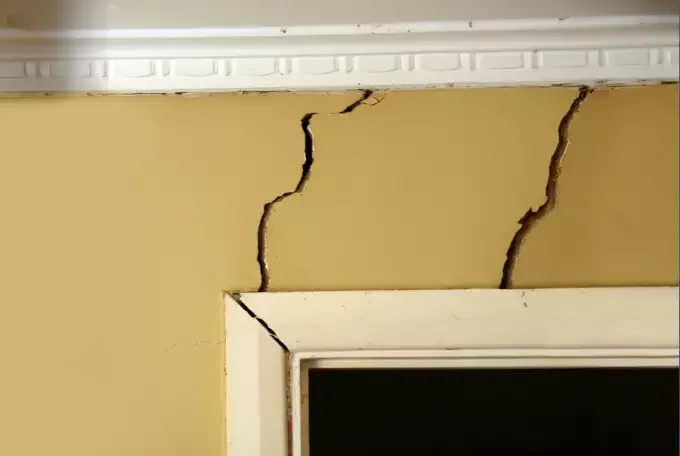
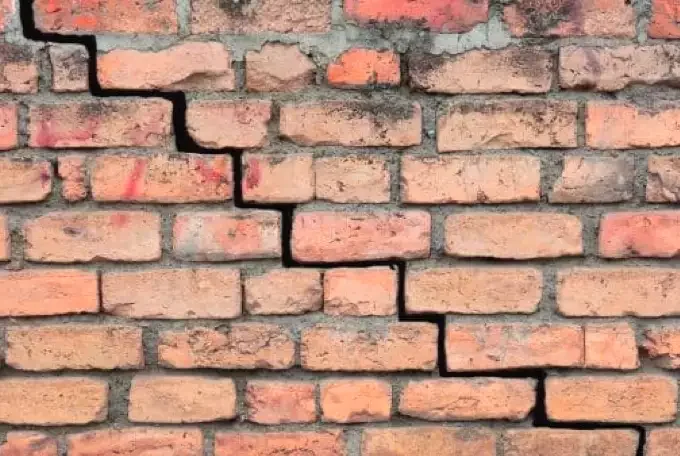
Cracked brickwork can have several explanations, so identifying the cause is an essential part of planning repairs. Wall tie corrosion is one possibility, particularly where horizontal cracks follow mortar joints containing older metal connections.
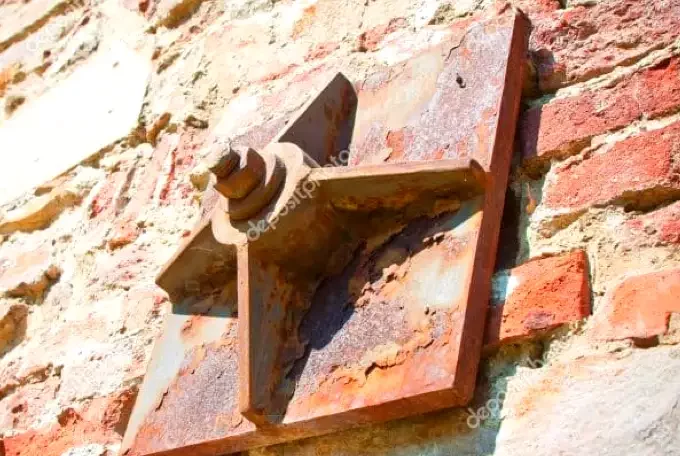
As some metal ties rust, expanding corrosion products can exert pressure on the surrounding mortar. The resulting damage may become visible across an elevation, while deterioration can also affect the connection between the wall leaves.
Inadequate restraint can occur without this particular cracking pattern. Missing ties, poor embedment or unsuitable installation may leave external masonry insufficiently connected even where little surface damage is apparent.
Our structural repairs in Oxford consider the wider evidence before a repair is selected. The aim is to establish whether the concern involves wall ties, another masonry defect or more than one issue requiring attention.


Examining Concealed Ties in Oxford Properties
A targeted investigation helps establish the condition and arrangement of ties within the affected wall. Locating equipment can identify existing metal ties, while an endoscope allows selected positions to be examined through small access holes.
The wall construction must also be understood. A cavity wall requires a different assessment from solid masonry, and alterations may introduce changes between the original building and later additions.
Inspection findings help determine whether connections are corroded or otherwise ineffective. They also provide information relevant to the materials that would receive replacement fixings.
Where visible cracks need further assessment, our structural crack repairs in Oxford provide a supporting service. Considering the concealed ties alongside the surrounding damage helps define which repairs are necessary and whether further investigation is appropriate elsewhere in the building.
Designing New Connections Around the Existing Wall
Remedial wall ties need to suit the construction they are connecting. Cavity width, masonry condition and the required fixing depth all influence the selection of a suitable system.
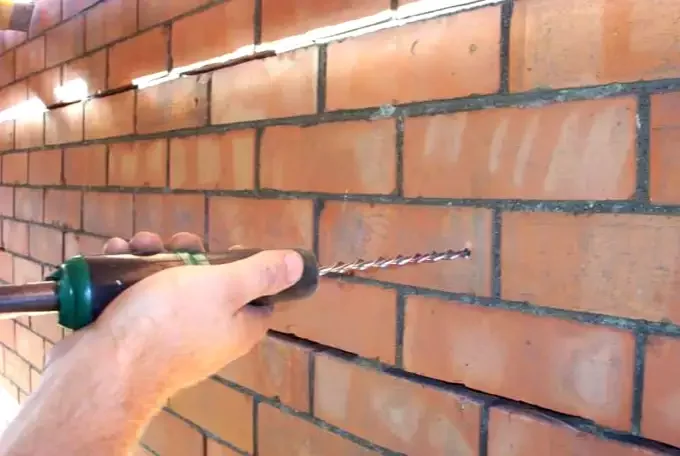
Stainless steel ties can often be installed through small drilled holes, limiting disturbance to sound brickwork. Depending on the specification, the connection may use dry fixing, resin bonding or a combination of methods.
The repair design also establishes the distribution of ties. Testing may be included to assess fixing performance within the existing materials and check installed connections where required.
Treatment of the original ties forms another part of the specification. If corroding ties could continue expanding within mortar joints, appropriate isolation or removal may be needed. Providing new restraint and dealing with remaining sources of damage should be considered together when planning the installation.


Completing the Repair Beyond the Fixing Points
Installing replacement ties does not automatically restore masonry that has already cracked or moved. The surrounding wall therefore needs assessment to establish what additional repair and reinstatement are required.
Suitable work may include local brickwork repairs, crack stitching or renewal of affected mortar joints. The approach depends on the findings, with installation holes and disturbed surfaces made good after the relevant structural work.
Where the evidence indicates another source of movement, this must be considered separately. Our subsidence repairs in Oxford and foundation repairs in Oxford address concerns affecting the support beneath a building rather than connections across its cavity walls.
A coordinated scope explains the purpose of each intervention. This helps property owners understand which work restores restraint, which repairs existing damage and whether a separate structural problem needs attention before final finishing.
Working Around Oxford’s Individual Buildings
Access, external finishes and previous alterations all influence the practical arrangements for wall tie replacement. A narrow side passage, adjoining extension or upper elevation may affect how the work is reached and which equipment is required.
We welcome enquiries across Oxford, including Headington, Cowley, Summertown and Iffley. The assessment remains specific to each building, taking account of differences between elevations and changes introduced through earlier building work.
Before installation, the proposed scope should explain the areas requiring treatment and how disturbed masonry or render will be reinstated. Any additional repairs and access requirements should also be identified.
Our team can review photographs and relevant survey findings when discussing your property. Details of earlier repairs, extensions and restricted access provide useful context for arranging an assessment and considering the work involved.

Frequently Asked Questions
A wall tie inspection focuses on the construction and connections relevant to the suspected cavity wall defect. It may include locating existing ties, examining selected positions and considering associated masonry damage. A broader structural assessment considers other elements and concerns according to its agreed scope. The two should therefore not be assumed to cover the same issues. If symptoms suggest movement beyond the cavity wall connections, further investigation may be appropriate before repairs are specified. Existing reports can help explain what has already been assessed and what remains uncertain. Clarifying the purpose of the inspection helps ensure that the findings are understood in context and that any additional concerns about the building receive the appropriate level of attention.
Yes, previous installation does not by itself establish that every existing defect has been resolved. The assessment may need to consider the replacement tie arrangement, fixing condition and whether original corroded ties were appropriately treated. Remaining ties can sometimes continue to expand within mortar joints if that source of damage was not addressed. However, later cracking can also have an unrelated cause, so further replacement should not be assumed necessary without investigation. Records of the earlier work are useful, including specifications, photographs and details of the areas treated. Reviewing those documents alongside the current condition helps establish what needs checking. Any new repair should follow the findings rather than simply repeating the previous work across the same elevation.
Yes, associated masonry repairs can be included where the assessment establishes that they are required. The specification should distinguish the work needed to restore wall connections from repairs addressing cracked joints or damaged bricks. Our structural crack repairs in Oxford can support projects requiring masonry reinforcement, while concrete repair in Oxford addresses suitable concrete elements where separate deterioration is identified. Each treatment has a different purpose and should be selected around the relevant defect. Coordinating the work allows the structural requirements to be addressed before disturbed surfaces are reinstated. It also makes the overall scope clearer, helping property owners understand which repairs are included and how the different stages contribute to the completed result.
The required treatment depends on the construction, inspection findings and condition of the existing connections. A concern affecting one elevation may justify examining other areas, but it does not automatically mean that every wall needs identical work. Differences in materials, extensions and previous alterations can influence the assessment. The proposed specification should identify the areas requiring new ties and explain any associated treatment of original connections or damaged masonry. Access requirements also need consideration when defining the practical scope. Where concealed conditions remain uncertain, further investigation may be necessary before the work is finalised. Basing the treatment area on evidence helps ensure that the repair responds to the building’s condition rather than a general assumption about its age or appearance.
City Structural welcomes wall tie replacement enquiries throughout Oxford, including Headington, Cowley, Summertown and Iffley, alongside enquiries from surrounding Oxfordshire locations such as Abingdon and Witney. We also provide the service in Newbury and Reading. Each property requires an individual assessment, considering the wall construction, visible damage and condition of concealed connections. When contacting us, useful information includes the address, photographs and any relevant findings from a building survey. Details of earlier repairs or extensions can also help explain the concern. This provides a starting point for discussing the property, with the inspection requirements and repair specification established around the affected building rather than assumptions about other properties in the area.