Wall Tie Replacement in Reading
Specialist Repairs for Failing Cavity Wall Ties
City Structural provides wall tie replacement in Reading, helping property owners address deteriorating ties, cracked mortar joints and inadequately restrained external brickwork. We assess the condition of existing connections before recommending a repair suited to the building’s construction and the extent of the problem.
Wall tie defects are often concealed within the cavity, making professional investigation important when changes appear on the outside of a property. Whether you have noticed horizontal cracking or received a recommendation following a building survey, City Structural can help establish the appropriate next steps.
Understanding What Is Happening Behind Your Brickwork
In a cavity wall, ties connect the external masonry leaf to the inner structure. These connections help restrain the outer wall against lateral forces, including wind loads. When ties deteriorate, become loose or are insufficiently distributed, the external brickwork may lose some of that restraint.
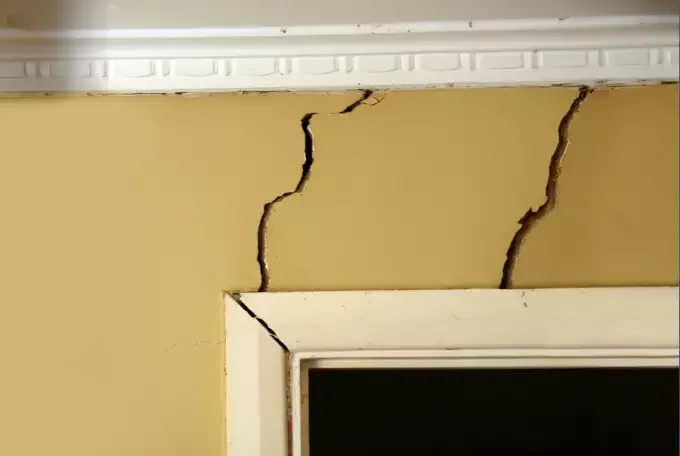
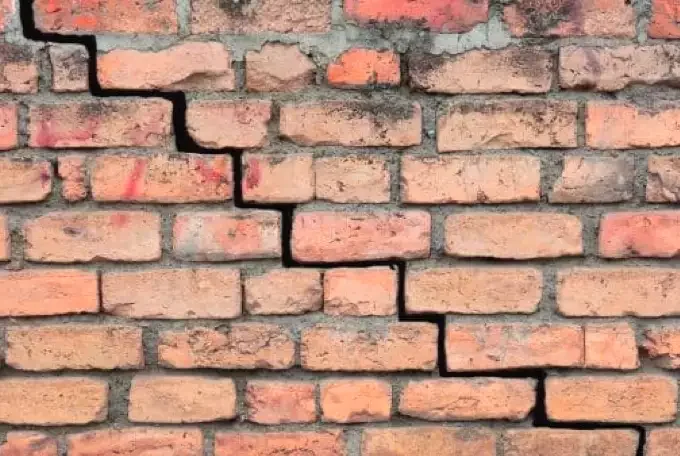
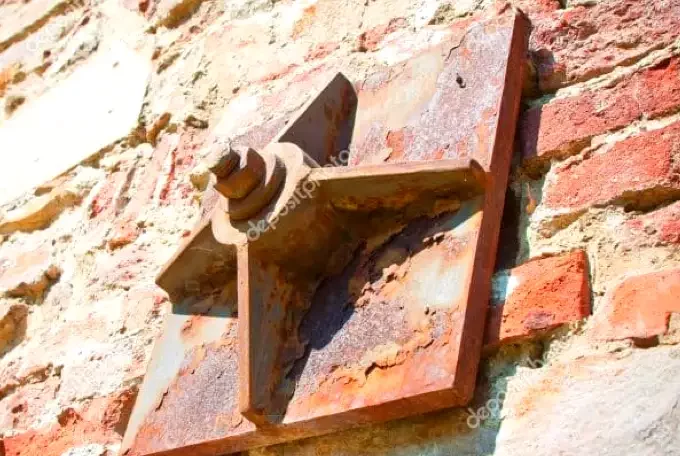
Corrosion can create another problem. As certain older metal ties rust, the expanding corrosion products can place pressure on the surrounding mortar. This may produce horizontal cracking along bed joints, sometimes extending across substantial sections of an elevation.
However, the appearance of a crack does not establish its cause. Similar symptoms can arise from other defects, and a property may have more than one issue requiring attention.
Our wider structural repairs in Reading allow wall tie concerns to be considered alongside the condition of the surrounding building. The aim is to understand the defect before deciding which repair will provide an appropriate solution.


Investigating Suspected Wall Tie Failure in Reading
A wall tie assessment looks beyond visible surface damage. The construction of the wall, condition of the masonry and arrangement of existing ties all influence whether replacement is required and how the work should be specified.
City Structural can locate concealed metal ties and inspect their condition using an endoscope through small access holes. This helps establish whether corrosion or another connection defect is present within the cavity.
The assessment also considers access, external finishes and any features that could affect installation. An exposed brick elevation requires different finishing considerations from a rendered wall, while extensions and previous alterations may introduce changes in construction.
Where cracking forms part of the concern, our structural crack repairs in Reading provide a related service. Understanding whether damage is associated with failing ties, masonry movement or another defect helps ensure that the proposed work addresses the actual problem.
Installing Replacement Ties to Suit the Existing Wall
Replacement wall ties need to suit the materials they connect. Brick, blockwork and timber framing require appropriate fixing arrangements, and the condition of the substrate can affect which system is suitable.
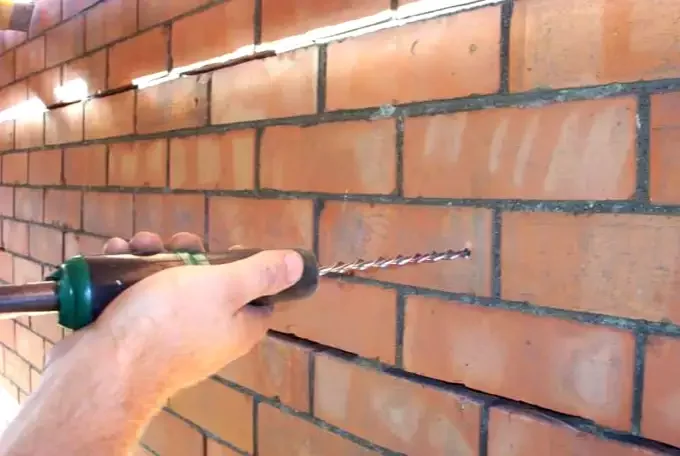
Remedial stainless steel ties can often be installed through relatively small drilled holes, reducing the amount of masonry that needs to be disturbed. Depending on the specified system, the connection may use a dry fixing, resin bonding or a combination of methods.
Tie length, embedment and distribution are determined around the wall being repaired. Testing may also form part of the specification to establish suitable fixing performance in the existing materials.
The treatment of original ties is equally important. Where corroding ties could continue to expand and damage mortar joints, the repair specification must consider appropriate isolation or removal.
Once installation is complete, access holes are made good with attention to the surrounding finish. The objective is a secure connection with a discreet external appearance.


Coordinating Wall Tie Work with Other Structural Repairs
Replacing defective ties does not automatically resolve every crack or distortion in a building. Existing masonry damage may require additional work, and any separate source of movement needs to be considered when planning repairs.
For example, crack stitching may be appropriate where masonry reinforcement is required after the cause of cracking has been assessed. More substantial distortion may call for a different approach, particularly where parts of the wall have lost their original alignment.
Where the assessment identifies concerns affecting the ground or foundations, our subsidence repairs in Reading and foundation repairs in Reading offer relevant supporting services. Micro piling in Reading may also be considered where a suitable foundation design requires it.
These are separate interventions with different purposes. Connecting the findings into one repair strategy helps property owners understand what is necessary, how the different elements relate and which work should take place first.
Planning Repairs Around Your Reading Property
Wall tie replacement should be planned around both the structure and the practical use of the building. Access to side passages, neighbouring boundaries, gardens and higher elevations can influence the equipment required and the organisation of the work.
For properties in central Reading, Caversham, Tilehurst and other surrounding neighbourhoods, the assessment should reflect the individual building rather than assumptions based on its address. The main house and a later extension may have different wall constructions, even where their external appearance is similar.
Before work begins, the proposed scope should identify which elevations are affected, what installation involves and how disturbed finishes will be reinstated. Any associated masonry repairs should also be clearly distinguished from the tie replacement itself.
You can learn more about our team and discuss the information already available about your property. Photographs, survey findings and previous repair records can all help explain the concern before a site assessment.

Frequently Asked Questions
Horizontal cracks following mortar joints can indicate corrosion affecting embedded wall ties, particularly where similar cracking appears at several levels. Outward bulging, displaced masonry or concerns raised during a building survey may also justify investigation. However, these symptoms are not exclusive to wall tie failure, and some defective ties produce little visible damage initially. A professional assessment is needed to establish what is happening inside the cavity and whether the existing connections remain effective. The inspection should consider the wall construction, tie condition and surrounding masonry together. Repointing visible cracks without investigating their cause may leave the underlying defect unresolved. Identifying the problem accurately allows repairs to be specified around the actual condition of your property.
Not necessarily. Remedial ties can often be installed through small drilled holes, allowing suitable existing masonry to remain in place. The feasibility of this approach depends on the condition and stability of the wall, the materials involved and the repair specification. A wall that has already become significantly distorted or damaged may need additional masonry work, and replacement ties alone may be insufficient. Original corroded ties may also require treatment to prevent continued expansion within mortar joints. The assessment establishes which elements can be retained and what further repairs are necessary. Installation holes are subsequently made good to suit the surrounding surface, although the finished appearance will depend on the existing brickwork, mortar, render or other external covering.
Yes, where the assessment establishes that both types of work are required. Replacement ties restore specified connections between wall components, while crack repairs address damage within the masonry. Each performs a different role, so the combination needs to follow a repair specification appropriate to the building. Our structural crack repairs in Reading can support projects where cracking requires reinforcement alongside remedial tying. It is also important to identify any separate cause of movement before completing repairs. Where other elements are affected, such as damaged concrete, our concrete repair in Reading provides another related service. The required scope depends on the findings rather than the assumption that every cracked wall needs the same treatment.
The cost depends on the extent of the affected wall area, the specified tie system and the practical requirements of installation. Access can make a substantial difference, particularly where scaffolding or other equipment is needed to reach upper elevations safely. Existing render, difficult boundaries and the treatment of original ties can also influence the work involved. Associated repairs, such as crack stitching or rebuilding damaged masonry, should be identified separately so the overall quotation is clear. A reliable price therefore requires sufficient information about the property and the defect. Survey findings and photographs can help explain the concern initially, but the final scope must reflect the construction, condition and access arrangements of the building being repaired.
City Structural provides wall tie replacement for properties across Reading, including enquiries from Caversham, Tilehurst, Whitley and surrounding neighbourhoods. We also welcome enquiries from nearby Berkshire locations such as Wokingham, Bracknell, Maidenhead and Newbury. The appropriate repair depends on the building itself, so properties within the same street may require different specifications. An older main house, a later extension and a converted building can each contain different forms of wall construction. When discussing your property, useful information includes the address, approximate age, visible symptoms and any findings from an existing survey. Photographs showing the whole affected elevation, alongside closer views of cracks or distortion, can help explain the issue and support the arrangements for an assessment.