Wall Tie Replacement in Abingdon
Restoring Restraint Where Cavity Wall Ties Have Failed
City Structural provides wall tie replacement in Abingdon for properties affected by deteriorated, poorly installed or insufficient ties. We investigate the condition of existing connections and plan remedial work around the materials and structural requirements of the affected wall.
Understanding the defect is the starting point for an effective repair. City Structural assesses concealed ties alongside visible masonry damage, helping property owners establish what needs replacing, how original ties should be treated and whether additional repairs are necessary.
Why Surface Condition Does Not Tell the Whole Story
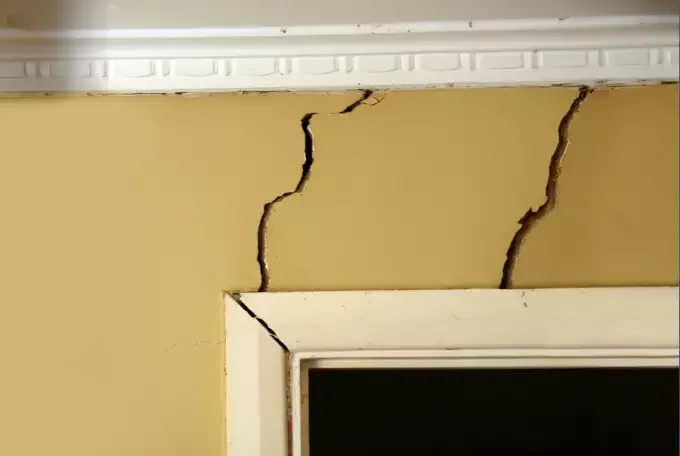
The external appearance of a wall provides useful clues, but it cannot confirm the condition of every connection within it. Some defective ties cause noticeable mortar cracking, while other connection problems remain largely concealed.
Cavity wall ties help restrain the outer masonry leaf by connecting it to the inner structure. Corrosion, inadequate embedment or an insufficient number of ties can reduce the effectiveness of that restraint.
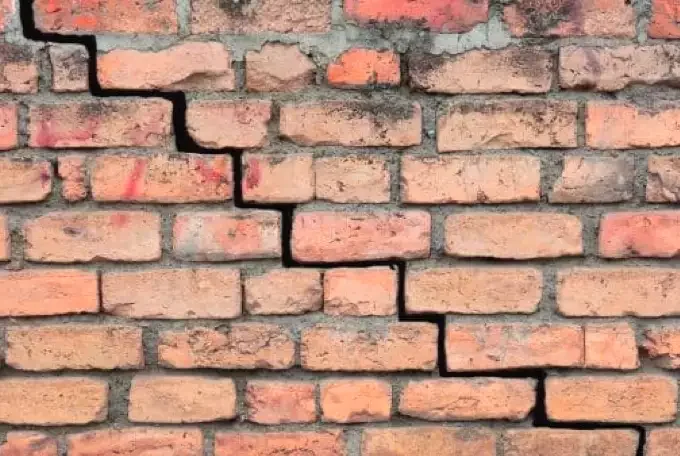
Where older metal ties expand as they corrode, pressure can develop within the surrounding mortar. Horizontal joints may crack, and more advanced damage can affect the alignment or stability of the masonry.
Our structural repairs in Abingdon consider these symptoms within the wider condition of the building. The assessment establishes whether the concern relates to wall ties or another defect before a repair method is selected.


Locating and Inspecting Existing Connections
A wall tie assessment brings together information about the construction, visible damage and concealed conditions. The arrangement of the wall matters because original buildings, extensions and altered sections may contain different materials or connections.
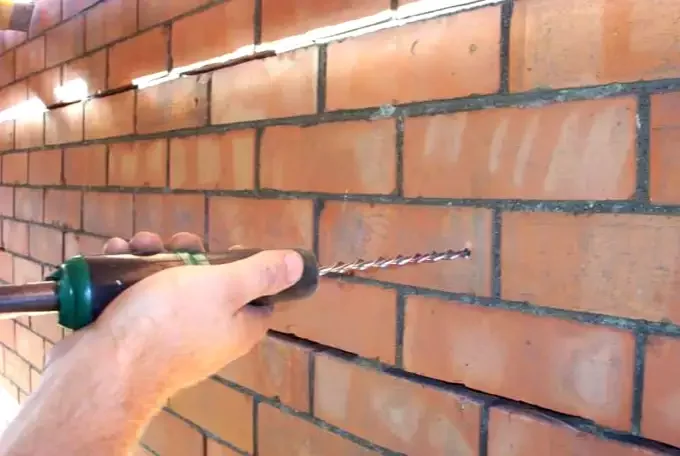
City Structural can locate existing metal ties and inspect selected positions with an endoscope through small access holes. This allows evidence from within the cavity to inform decisions about the need for remedial work.
Inspection findings also help identify whether further checks are required elsewhere on an elevation. A defect at one position needs to be considered in context rather than treated as proof that every connection is identical.
Where the surrounding brickwork is cracked, our structural crack repairs in Abingdon provide a related service. Assessing both elements helps define the necessary work more clearly.
Choosing Replacement Ties for the Wall Construction
A remedial tie must form an appropriate connection within the materials present. The cavity dimensions, condition of the masonry and required fixing depth all influence the system selected.
Stainless steel ties can often be installed through small drilled holes, allowing suitable existing brickwork to remain in place. Different systems use dry fixing, resin bonding or combined methods, with installation governed by the repair specification.
Tie distribution is considered alongside the fixing arrangement. Testing may also be required to establish suitable performance within the existing materials or check installed connections.
The treatment of original ties is another important decision. Where corrosion could continue expanding within mortar joints, isolation or removal may be necessary alongside replacement. Addressing this helps prevent an existing source of masonry damage from being overlooked when new restraint is introduced.


Resolving the Damage Around Defective Ties
Replacement connections address a particular structural requirement, but the wall may already contain damage requiring separate attention. Cracked joints, damaged bricks and displaced sections need assessment before the finishing work is planned.
Depending on the findings, repairs may involve local masonry reinstatement or appropriate reinforcement. Installation holes and disturbed surfaces are then made good with attention to the surrounding mortar, brickwork or render.
The assessment also considers whether another structural issue is contributing to the symptoms. Our subsidence repairs in Abingdon address concerns involving ground movement, while micro piling in Abingdon may be relevant where a suitable foundation design requires it.
These services perform different roles and are not automatically needed together. A coordinated repair plan explains what each intervention achieves and establishes the appropriate order of work.
Accommodating Access, Alterations and External Finishes
The practical details of a property influence how wall tie replacement is carried out. Restricted side passages, extensions and upper elevations can affect access equipment, working space and arrangements around entrances or garden areas.
We welcome enquiries across Abingdon, including Northcourt, Peachcroft and Caldecott. Each building is assessed individually, taking account of its construction and any differences between the original property and later additions.
Existing finishes also need consideration. A rendered wall may require a different approach to making good from exposed brickwork, particularly where older surfaces have weathered or been repaired previously.
Our team can discuss these details alongside photographs and relevant survey findings. Information about previous alterations and access restrictions provides useful context for arranging an assessment and defining the work required.

Frequently Asked Questions
Yes, although the render and underlying wall construction need to be considered when planning the inspection. A rendered surface can conceal masonry joints and earlier repairs, so its appearance alone may provide limited information about the ties behind it. Locating equipment and inspection through selected access holes can help establish concealed conditions, with the approach adapted to the building. Any disturbed areas require suitable making good afterwards. The assessment should also consider whether cracks or loose sections affect the render itself. Photographs and previous repair information can help explain the initial concern, but further investigation may be necessary before the condition of the connections and the appropriate repair scope can be established for the affected wall.
Not necessarily, as the required treatment depends on their condition and potential to cause further damage. Where corroded ties could continue expanding within mortar joints, appropriate isolation or removal may be included in the specification. Other circumstances may require a different approach, so a blanket assumption is not suitable for every building. The assessment considers the original connections alongside the new remedial system and the surrounding masonry. Installing replacement ties alone does not necessarily address pressure from corroding metal that remains embedded. The proposed scope should therefore explain how defective original ties will be managed. Considering both elements helps establish a repair that provides new restraint while addressing any continuing source of disruption within the wall.
Yes, where the findings establish that additional work is necessary. Our structural crack repairs in Abingdon can support projects involving masonry reinforcement, while concrete repair in Abingdon addresses suitable concrete elements where separate deterioration is identified. The repair plan needs to distinguish these tasks because each addresses a different defect or structural requirement. Combining work should follow the condition of the building rather than an assumption that every service is needed. A clear sequence allows necessary structural repairs to take place before disturbed surfaces are reinstated. It also helps property owners understand what is included, why it is recommended and how the different elements contribute to the completed work.
The size of the treatment area is one factor, but quotations also reflect the construction and practical requirements of the work. Tie selection, fixing arrangements and treatment of original connections can differ between buildings. Access equipment, restricted working space and the condition of external finishes may also influence the scope. Additional masonry repairs need to be considered separately so that the total work is clear. Photographs and existing reports can help explain the concern initially, although concealed conditions may require investigation before a reliable specification is established. Comparing quotations is easier when each describes the areas being treated, the replacement system, associated repairs and reinstatement. This helps clarify whether the proposed work addresses the same findings and requirements.
City Structural welcomes wall tie replacement enquiries throughout Abingdon, including Northcourt, Peachcroft and Caldecott, alongside nearby areas such as Radley and Marcham. We also provide the service in Oxford, Banbury and Newbury. Each assessment considers the individual property, including the construction of the affected walls and any relevant history of alterations or repairs. When contacting us, useful information includes the address, photographs and extracts from an existing survey. Wider views of the elevation and closer images of cracked joints help explain the concern. These details support the initial discussion, with inspection requirements and the repair scope established around the building’s actual condition.