Wall Tie Replacement in Bracknell
Restoring Secure Connections Within Your External Walls
City Structural provides wall tie replacement in Bracknell for properties affected by corroded, ineffective or insufficient wall ties. We investigate the condition of concealed connections and specify remedial work around the materials, construction and stability of the existing wall.
Cracking along external mortar joints can raise concerns about the condition of a building, particularly when the damage appears to be spreading. City Structural helps property owners understand whether wall tie defects are involved and what repairs are appropriate, with careful attention to both structural performance and the appearance of the finished masonry.
Recognising Problems with Cavity Wall Restraint
The outer brickwork of a cavity wall relies on suitable connections to the inner structure. Although these ties are largely hidden, their condition can influence how securely the external masonry is restrained against forces such as wind.
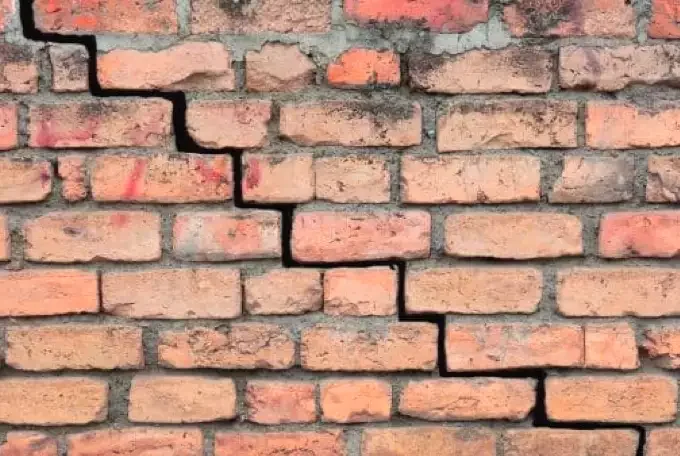
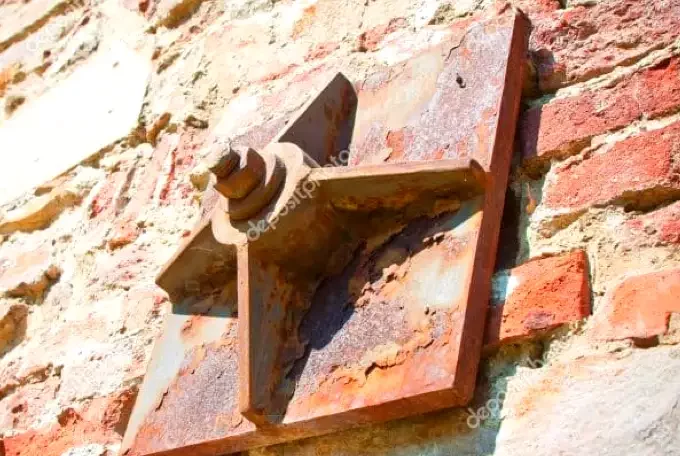
Some older metal ties deteriorate through corrosion. As corrosion develops, the resulting expansion can disrupt the mortar surrounding the embedded ends. Horizontal cracking may appear, while more advanced deterioration can contribute to displacement or instability.
A wall can also have inadequate restraint because ties were installed incorrectly or provided in insufficient numbers. This means a lack of obvious corrosion does not necessarily confirm that the connections are satisfactory.
Our structural repairs in Bracknell provide a broader basis for assessing these concerns. We consider the pattern of damage and the construction of the building before deciding whether remedial tying is the appropriate response.


Looking Beyond the Surface of a Cracked Elevation
An external inspection provides useful evidence, but the condition of concealed ties usually requires closer investigation. Locating existing connections and inspecting selected positions can help establish whether the problem involves corrosion, ineffective fixings or another defect.
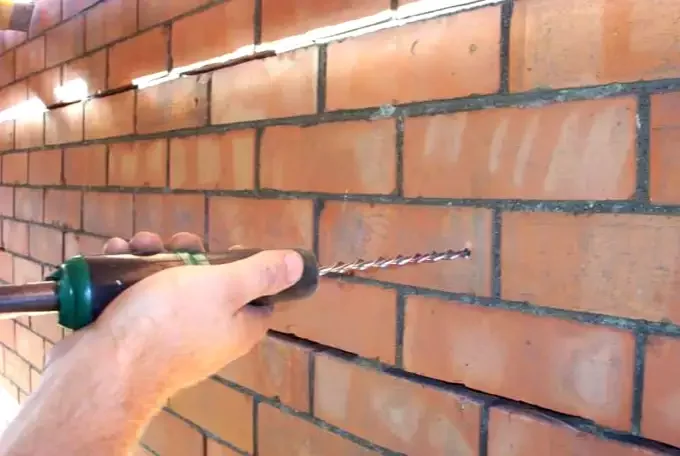
City Structural uses locating equipment and endoscopic inspection to examine ties through small access holes. Findings from different parts of an elevation help inform the assessment rather than relying on one visible crack or a single inspection point.
Changes in construction also matter. An extension, altered opening or adjoining section of wall may contain different materials or fixing arrangements from the original building.
Where cracks need further investigation, our structural crack repairs in Bracknell offer a related service. Establishing how the damage developed helps determine whether wall tie replacement, masonry reinforcement or another repair should form part of the specification.
Selecting a Remedial Tie System for the Building
A replacement tie must achieve a suitable connection within the materials present. The width of the cavity, condition of the brickwork and type of inner structure all influence the choice of tie and installation method.
Stainless steel remedial ties can provide new connections through small drilled holes. Different systems use dry fixing, resin bonding or a combination of fixing methods, allowing the specification to reflect the particular construction being repaired.
The installation layout also requires consideration. Tie distribution and embedment should follow the repair design, with testing included where needed to establish or check fixing performance.
Original ties must be assessed as part of the work. If corroded ties remain capable of expanding within mortar joints, installing new connections alone may leave a source of further damage. Appropriate isolation or removal may therefore be required alongside the replacement installation.


Addressing Damage Around the Replacement Work
New ties restore specified connections, but damaged masonry may still require attention. Open joints, cracked brickwork and displaced sections need to be assessed so that the completed repair deals with the condition of the wall as a whole.
Depending on the findings, additional work might involve local masonry repairs or crack stitching. Surface finishing follows the structural work, with disturbed areas made good to suit the surrounding brickwork or render as closely as practical.
Wall tie replacement also has a different purpose from repairs addressing movement below ground. Where the investigation identifies foundation concerns, our foundation repairs in Bracknell and subsidence repairs in Bracknell provide relevant supporting services.
Keeping these different causes and treatments clear helps property owners understand the proposed scope. A coordinated specification can then establish which repairs are necessary and the order in which they should be completed.
Organising Wall Tie Repairs Across Bracknell
Practical planning helps ensure that repair work can be carried out with suitable access to each affected elevation. Side passages, conservatories, extensions and neighbouring boundaries may all influence how the wall is reached and where equipment can be positioned.
We welcome enquiries from property owners across Bracknell, including Priestwood, Bullbrook, Harmans Water, Great Hollands and Birch Hill. Each building requires its own assessment, taking account of alterations, external finishes and differences between individual elevations.
Before installation, the scope should explain the areas being treated, any associated masonry work and the approach to reinstating disturbed surfaces. Access arrangements and the likely impact on entrances, paths or garden space should also be discussed.
Our team can review photographs and existing survey information when considering your enquiry. These details help explain the concern and provide a useful starting point for arranging an assessment of the property.

Frequently Asked Questions
Yes, ineffective wall ties do not always produce clear external warning signs. Some connections may be missing, poorly embedded or deteriorated without creating noticeable pressure within the surrounding mortar. Visible cracking can therefore provide a reason to investigate, but its absence does not establish that every tie is performing adequately. Concerns may instead arise during a building survey or an inspection connected with planned refurbishment. Assessing the wall construction and examining selected ties helps establish whether further investigation or remedial work is required. The extent of inspection should reflect the building and the concern being investigated. Decisions about replacement should follow the findings rather than relying solely on the age of the property or the appearance of its brickwork.
Repointing renews mortar at the surface of the wall, but it does not restore defective connections across a cavity. If corroding ties are expanding within the joints, repairing the visible crack without addressing those ties may leave the cause of damage in place. However, horizontal cracking can have other explanations, so wall tie replacement should not be assumed necessary without investigation. The appropriate sequence is to identify the defect, specify any required structural work and then reinstate affected masonry joints. Where the assessment identifies additional damage, our structural crack repairs in Bracknell can support a coordinated repair. This approach helps ensure that surface improvements follow the work needed to address the underlying condition of the wall.
Disruption depends on the installation method, access requirements and condition of the existing wall. Many remedial ties can be installed through relatively small drilled holes, reducing the amount of masonry that needs to be opened. Nevertheless, drilling produces noise and dust, and equipment may temporarily affect access around the property. Higher elevations can require scaffolding or another suitable access arrangement. Additional work to isolate original ties, repair cracks or reinstate render can also affect the programme. The proposed scope should explain these requirements before installation begins. Whether occupants can continue using particular entrances, paths or outdoor areas will depend on the working arrangements. Planning these details in advance helps make the practical impact of the repairs clearer.
The area requiring treatment is one factor, but a quotation also needs to reflect the specified repair system and the work necessary to install it correctly. The construction of the wall, fixing requirements and treatment of existing ties can all influence the scope. Access arrangements are another consideration, particularly where higher elevations or restricted side passages make installation more involved. Associated masonry repairs and the reinstatement of external finishes should also be accounted for. Photographs and survey findings can help explain the concern initially, although sufficient investigation is needed to establish the required work. A clear quotation should distinguish replacement tying from additional repairs so that you understand what is included and how the proposed solution addresses the findings.
City Structural welcomes wall tie replacement enquiries throughout Bracknell and nearby locations, including Wokingham, Windsor, Maidenhead and Reading. Within Bracknell, this includes properties in neighbourhoods such as Priestwood, Bullbrook, Harmans Water, Great Hollands and Birch Hill. The assessment is based on the individual building, including its wall construction, alterations and visible condition. Different parts of the same property may require different inspection or fixing arrangements. When making an enquiry, providing the address, photographs and any relevant survey extracts helps explain the concern. Images showing the full elevation alongside closer views of damaged joints are particularly useful. Existing information can support the initial discussion, with the required repair scope established through an appropriate assessment.