Wall Tie Replacement in Windsor
Targeted Repairs for Weakened Wall Connections
City Structural provides wall tie replacement in Windsor, addressing defects that affect the connection between external masonry and the structure behind it. We assess suspected tie failure and plan repairs around the condition of the building, helping property owners resolve concerns about cracking, corrosion and inadequately restrained brickwork.
A recommendation for wall tie replacement should be supported by an understanding of the existing construction. At City Structural, we investigate concealed connections and visible damage together, establishing what needs attention before selecting a suitable remedial system.
Establishing How Your Windsor Property Was Built
The construction of a wall determines whether cavity wall tie replacement is relevant. A cavity wall normally has separate inner and outer leaves connected by ties, whereas a traditional solid masonry wall has a different arrangement and may require another form of repair.
This distinction matters when assessing older buildings, extended houses and properties that have undergone alterations. The original house may have one wall construction while a later addition uses another, making it important to examine each affected area individually.
Our structural repairs in Windsor consider these differences when investigating masonry defects. We look at the relationship between the visible symptoms and the structure supporting the wall.
By establishing the construction first, we can determine whether the concern involves cavity ties, another form of connection or a separate problem affecting the masonry. This provides a sound basis for specifying repairs.


Tracing Cracked Mortar Back to Its Cause
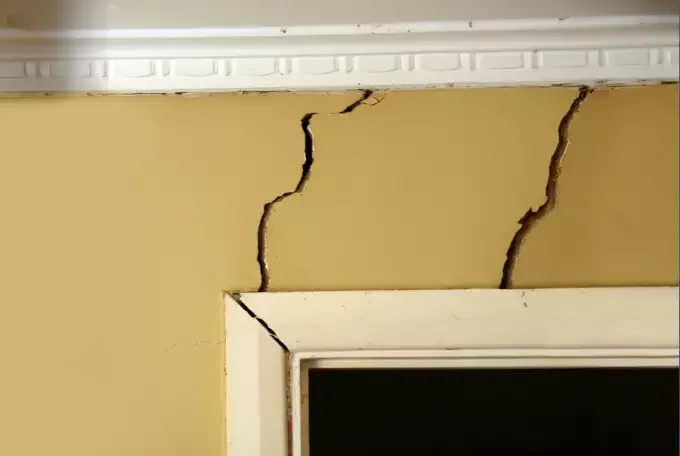
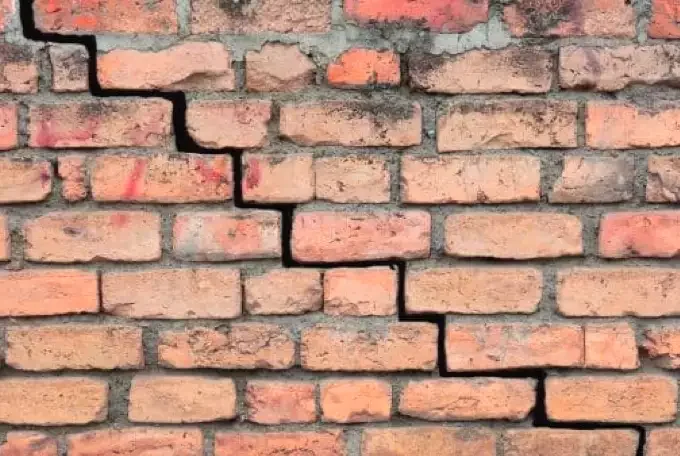
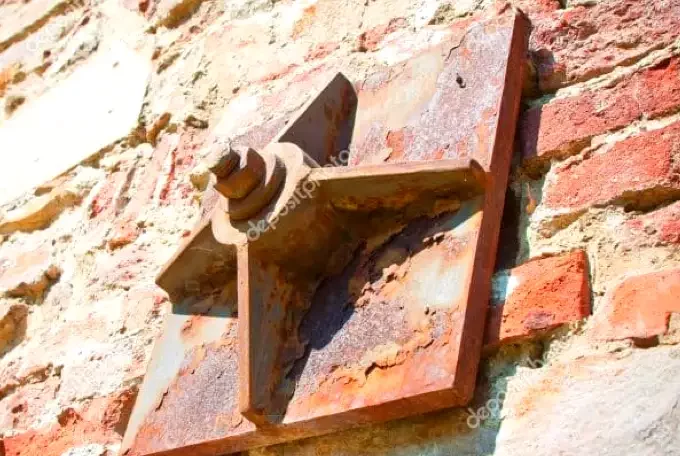
Cracks along horizontal mortar joints can develop when embedded metal ties corrode and expand. The pressure generated within the joint may lift or split surrounding mortar, producing damage that becomes visible on the external face.
However, the direction of a crack is only part of the evidence. Its position, extent and relationship to openings or previous alterations can also help explain what is happening.
City Structural can locate existing ties and inspect selected positions using an endoscope through small access holes. This allows concealed conditions to inform the assessment alongside the external inspection.
Where the findings suggest a broader masonry issue, our structural crack repairs in Windsor provide a related service. Identifying the cause helps avoid completing surface repairs while leaving an unresolved defect within or behind the wall.
Providing New Restraint with Discreet Remedial Ties
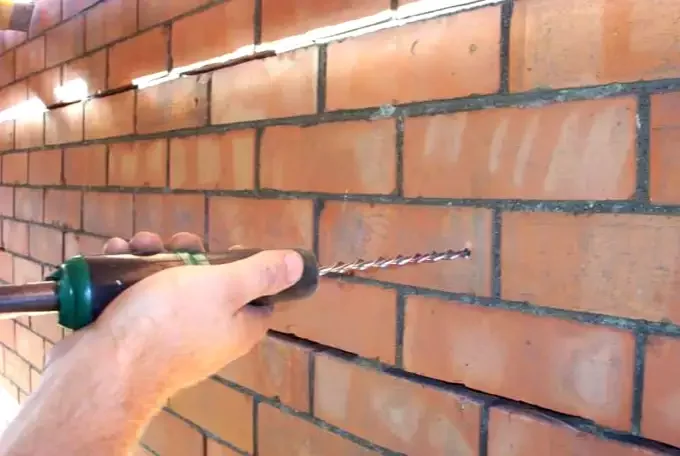
Remedial wall ties create specified connections through the existing construction. Stainless steel systems can often be installed through small drilled holes, allowing sound masonry to remain in place while new ties are introduced.
The choice of fixing depends on the materials involved and the connection that needs to be achieved. Different systems use dry installation, resin bonding or a combination of methods, with tie length and embedment selected around the wall.
The installation pattern also needs to reflect the repair specification. Testing may be required to establish suitable performance within the existing materials and check the security of installed connections.
Our wall tie replacement service also considers the treatment of original ties. Where corrosion could continue to disrupt the mortar, appropriate isolation or removal may form part of the work. New restraint and the management of defective ties need to be considered together.


Bringing Associated Masonry Repairs into the Plan
A successful repair specification needs to account for damage that has already occurred. Replacement ties can provide new connections, but cracked joints, damaged bricks or displaced masonry may require separate attention.
Where suitable, masonry reinforcement can be incorporated alongside remedial tying. More extensive distortion may require additional work, with the approach determined by the condition and stability of the affected section.
The assessment should also distinguish wall tie defects from movement originating below the building. Our subsidence repairs in Windsor and foundation repairs in Windsor address different structural concerns where these are identified. Micro piling in Windsor is another separate service that may be relevant to an appropriately designed foundation scheme.
These interventions are not automatically required alongside wall tie replacement. Understanding their different roles helps keep the proposed work proportionate to the findings and makes the repair sequence easier to follow.
Respecting Existing Finishes and Practical Access
External repairs need to accommodate the appearance and use of the property. Exposed brickwork, painted masonry and rendered surfaces each require consideration when planning access holes and the reinstatement of disturbed areas.
We aim to make completed installation points discreet, taking account of the existing surface and the extent of any associated repair. Weathered materials can vary across an elevation, so the finish should be considered in relation to the surrounding wall.
Access is another part of the assessment. Narrow side passages, adjoining extensions and upper-storey elevations may affect equipment requirements and how work is organised.
Our team can discuss these practical details alongside the structural findings. We welcome enquiries throughout Windsor, including Clewer, Dedworth and Spital, with each project planned around the building rather than assumptions about its age or location.

Frequently Asked Questions
No, the age of a property does not establish whether its wall ties are defective or whether it has cavity walls at all. Some older buildings use solid masonry construction, while later extensions may introduce cavity walls alongside the original structure. Where ties are present, their material, installation and condition all influence whether remedial work is necessary. An assessment therefore needs to establish how the affected wall was built before investigating the connections within it. Visible cracking, distortion or concerns raised during a survey can justify closer inspection, but they do not confirm a particular diagnosis. Replacement should follow evidence of an inadequate or deteriorated connection, with the repair system selected to suit the actual construction being assessed.
Installing new ties can restore specified connections, but it does not necessarily stop original corroding ties from expanding within mortar joints. If those ties remain embedded and continue to exert pressure, further cracking may develop despite the additional restraint. The repair specification should therefore consider whether defective ties need isolation or removal, taking account of their condition and the surrounding construction. This treatment is assessed alongside the replacement layout rather than assumed to be identical for every building. Selected inspection points help establish what is happening within the cavity. Considering both the new connections and the remaining original ties allows the proposed work to address the restraint problem and any continuing source of disruption within the affected masonry.
Yes, City Structural provides related repair services where the assessment identifies additional defects. Our structural crack repairs in Windsor can support projects involving damaged masonry, while concrete repair in Windsor addresses deterioration affecting suitable concrete elements. These services have different purposes, so any additional work should be justified by the findings and clearly described within the proposed scope. A cracked elevation may require remedial tying and masonry repairs together, while another property may need a different solution entirely. The priority is to understand how the defects relate before deciding on treatment. This helps establish an appropriate sequence and ensures that repairs to visible surfaces follow any necessary work to the underlying structure.
Remedial installation normally involves drilling access holes, so some local disturbance should be expected. Once the specified work is complete, those positions are made good with attention to the surrounding masonry or external finish. The appearance will depend on the installation method, condition of the existing surface and whether additional crack repairs or repointing are required. Weathered bricks, older mortar and previously repaired render can make exact matching difficult, although careful finishing helps reduce the visual impact. The proposed approach should be discussed before installation so that expectations are clear. Where appearance is a particular concern, identifying the wall finish and providing photographs during the initial enquiry can help explain the considerations that need to be assessed.
City Structural welcomes wall tie replacement enquiries across Windsor, including Clewer, Dedworth and Spital, as well as nearby towns throughout Berkshire. We also provide this service in Bracknell and Reading, with enquiries welcomed from Maidenhead and Wokingham. The assessment considers the individual property, including differences between original walls, extensions and altered elevations. When contacting us, useful information includes the address, a description of the concern and any relevant findings from a building survey. Photographs showing the full wall and closer views of cracking can support the initial discussion. These details provide a starting point, with the extent of inspection and the appropriate repair specification established around the building’s construction and condition.