Wall Tie Replacement in Witney
Investigating Corrosion and Restoring Wall Restraint
City Structural provides wall tie replacement in Witney, addressing concerns about deteriorating connections, cracked mortar joints and inadequately restrained external masonry. We investigate the affected wall and recommend remedial work based on its construction, the condition of existing ties and any associated damage.
A suitable repair begins with establishing what has failed and where intervention is needed. City Structural helps property owners understand the findings, bringing replacement tying and necessary masonry repairs together within a clear scope of work.
Recognising Defects Within Different Wall Constructions
Wall tie replacement is relevant where connections between the separate leaves of a cavity wall have become inadequate. It is important to establish this construction first, because solid masonry walls and other arrangements may require different forms of repair.
The external finish does not always reveal how a wall was built. Render, previous alterations and later extensions can conceal differences between adjoining sections of a property.
Where cavity ties are present, corrosion is one possible source of deterioration. Other concerns include ineffective fixings or an insufficient number of connections to provide the required restraint.
Our structural repairs in Witney consider these possibilities alongside the visible condition of the building. The assessment helps determine whether remedial tying is appropriate or whether the symptoms point towards another issue requiring attention.


Following the Evidence Behind Horizontal Cracking
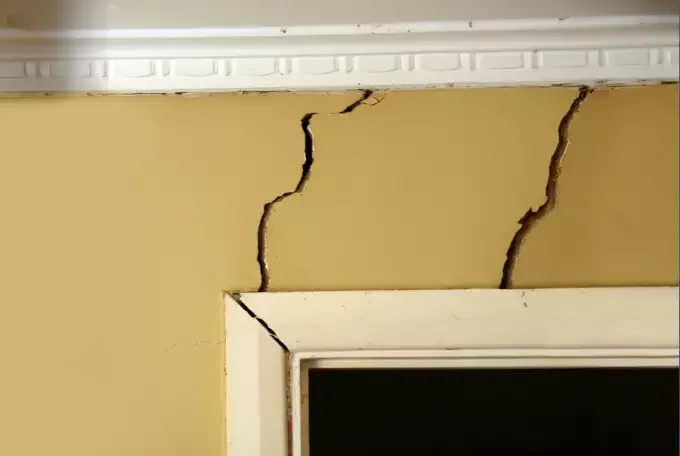
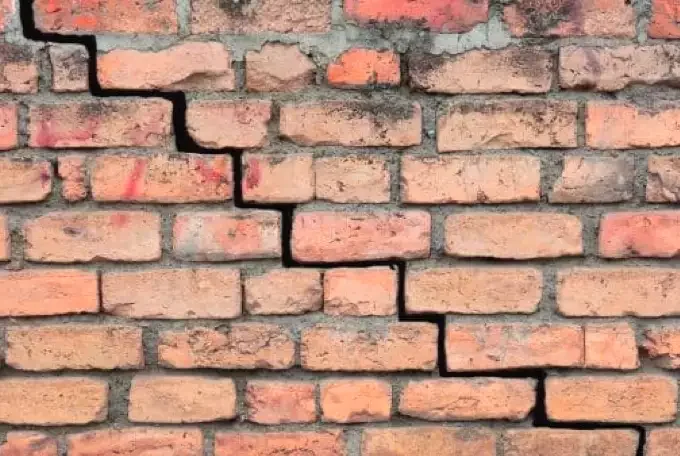
Horizontal cracks within mortar joints can develop when embedded metal ties corrode and expand. Pressure from the corrosion products may disrupt the surrounding mortar, sometimes creating damage at several levels across an elevation.
However, the presence of this pattern does not establish the full repair requirement. The condition of concealed connections and the surrounding masonry still needs investigation before work is specified.
City Structural can locate existing metal ties and inspect selected positions with an endoscope through small access holes. Findings from within the wall help explain the external symptoms and inform decisions about further inspection.
Our structural crack repairs in Witney provide a related service where masonry damage requires additional assessment or reinforcement. Understanding the cause and extent of cracking helps establish an appropriate sequence for structural repairs and subsequent reinstatement.
Forming Suitable Connections in Existing Materials
Remedial ties need to achieve appropriate fixings within the materials they connect. The condition of the outer masonry, inner structure and cavity dimensions all influence the choice of system.
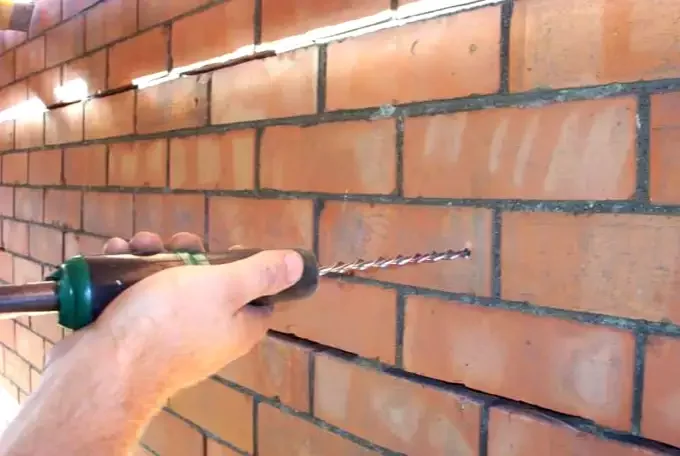
Stainless steel ties can often be introduced through small drilled holes, retaining suitable existing brickwork around the installation points. Different systems use dry fixing, resin bonding or combined methods, with the arrangement selected according to the repair requirements.
The specification also establishes tie length, embedment and distribution. Testing may be needed to assess fixing performance within the existing materials or check installed connections.
Original ties require consideration as part of the same work. Where corroding metal could continue placing pressure on mortar joints, appropriate isolation or removal may be necessary alongside replacement to address that remaining source of damage.


Separating Restraint Repairs from Other Structural Work
New wall ties address specified connections, but they do not automatically reverse damage already present in the masonry. Cracked joints, broken units or displaced sections may therefore require additional treatment.
Suitable repairs can be coordinated with the tying work, allowing necessary reinforcement or local masonry reinstatement to be completed in the appropriate order. Installation holes and disturbed surfaces are then made good with attention to the surrounding finish.
Where movement affects the support beneath the building, a different investigation is required. Our subsidence repairs in Witney and foundation repairs in Witney address separate structural concerns where these are identified.
A clear repair plan explains the purpose of each element. This helps ensure that treatment of the visible damage follows the work needed to address the relevant underlying defects.
Adapting the Work to Your Witney Property
The practical arrangements for replacement tying depend on the building and its surroundings. Extensions, restricted passages, garden features and upper elevations can affect access and the equipment needed to reach the wall.
We welcome enquiries throughout Witney, including Cogges, Deer Park and Madley Park. Each assessment considers the individual property, including alterations and differences between elevations.
External finishes also influence the reinstatement work. Weathered brickwork, painted masonry and textured render require suitable making good, with the expected appearance considered before installation begins.
Our team can discuss your concerns and review photographs or relevant survey extracts. Information about previous repairs and access restrictions provides useful context for arranging an assessment and defining the scope around the conditions at the property.

Frequently Asked Questions
Many remedial tie systems can be installed from the external face through small drilled holes, allowing suitable existing masonry to remain in place. However, the required access depends on the wall construction, selected system and treatment of any original defective ties. Internal access or additional opening up may be necessary in some circumstances, so this should be established during assessment. External finishes and previous alterations can also affect the installation approach. The proposed scope should explain where work will take place and what reinstatement is included. Discussing these details beforehand helps clarify the likely impact on the property rather than assuming that every wall can be repaired using the same equipment, access arrangements or fixing method.
The outer appearance of a wall does not confirm that every concealed connection is effective. Ties may be missing, inadequately embedded or otherwise defective without causing obvious cracking at the surface. Corrosion can also affect connections before substantial external damage becomes apparent. Concerns may therefore arise during a survey even when the brickwork looks reasonably well maintained. An assessment needs to establish the construction and examine relevant concealed conditions before deciding whether replacement is justified. Sound-looking masonry should not automatically be treated as defective, but appearance alone cannot resolve a specific concern about restraint. The repair recommendation should follow the evidence, explaining which connections require attention and how the proposed installation addresses the findings.
Yes, related work can be coordinated where the assessment identifies a need for it. Our structural crack repairs in Witney can support projects involving appropriate masonry reinforcement, while concrete repair in Witney addresses suitable concrete elements affected by separate deterioration. Each treatment needs to correspond to an identified defect, with the sequence planned around the building’s condition. Wall tie replacement provides new connections, whereas other repairs address damage or weaknesses elsewhere. Setting out these roles clearly helps property owners understand the complete scope. It also allows necessary structural work to be considered before the final surfaces are reinstated, reducing the likelihood of treating visible symptoms while leaving another relevant defect unresolved.
Access influences how the affected elevations can be reached and where equipment can be positioned. Higher walls may require scaffolding or another suitable arrangement, while narrow passages, extensions and nearby boundaries can restrict working space. These conditions can affect the programme and the practical cost of installation. The assessment should therefore consider access alongside the structural findings rather than leaving it until work begins. Useful information includes photographs of side passages, adjoining structures and the full height of the affected wall. Any restrictions affecting entrances or shared areas should also be discussed. Establishing these details helps define a workable repair scope and clarifies how installation, treatment of original ties and subsequent making good will be organised.
City Structural welcomes wall tie replacement enquiries across Witney, including Cogges, Deer Park and Madley Park, alongside nearby areas such as Ducklington and Eynsham. We also provide the service in Oxford, Abingdon and Banbury. The assessment is based on the individual building, accounting for its wall construction, visible condition and any relevant history of alterations. When making an enquiry, photographs and existing survey findings can help explain the concern. Wider views of affected elevations are useful alongside closer images of cracked joints or displaced masonry. This information supports the initial discussion, with inspection requirements and the appropriate repairs established around the property itself.