Wall Tie Replacement in Woking
Remedial Tying for Walls with Defective Connections
City Structural provides wall tie replacement in Woking, helping property owners deal with corrosion, ineffective fixings and insufficient connections within cavity walls. We assess the affected construction and recommend work that addresses the identified defects and any associated masonry damage.
Uncertainty about the condition of external walls can make it difficult to plan repairs or refurbishment. City Structural helps establish what is happening within the wall, whether replacement ties are necessary and how the installation should be coordinated with other required work.
Establishing Whether the Wall Has Adequate Restraint
The outer masonry leaf of a cavity wall needs suitable connections to the inner structure. Wall ties provide this restraint, helping the external leaf resist lateral forces such as wind loading.
Defects can arise where ties deteriorate, have insufficient embedment or were not installed in adequate numbers. Their condition therefore needs consideration alongside the arrangement and materials of the wall.
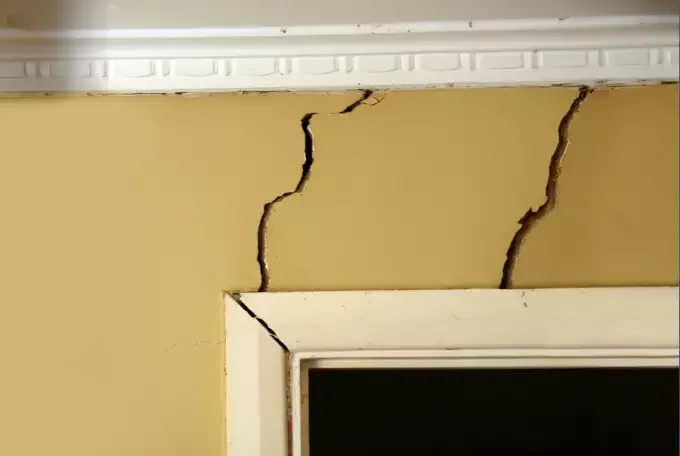
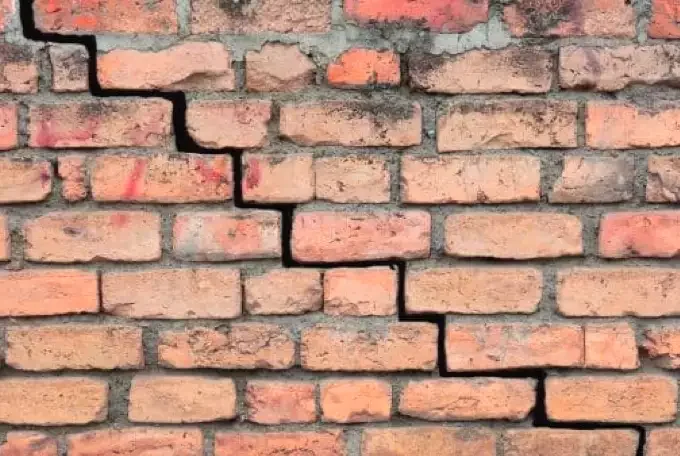
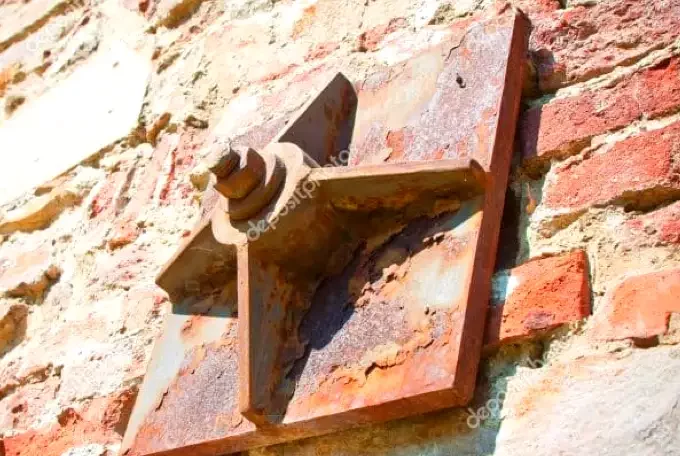
Corrosion can create additional damage when expanding rust places pressure on surrounding mortar. Horizontal cracking may appear along bed joints, while ineffective connections can also exist without obvious surface symptoms.
Our structural repairs in Woking consider the building as a whole when investigating these concerns. The purpose is to establish whether restraint is inadequate and identify the reason before selecting an appropriate repair.


Investigating the Original House and Later Additions
A building can contain several different wall arrangements, particularly where extensions or alterations have been carried out. The construction of the original house may differ from a rear addition, an altered opening or a previously repaired section.
City Structural takes these variations into account during assessment. Existing metal ties can be located, with an endoscope used through small access holes to examine selected positions within the cavity.
The findings help establish the condition of concealed connections and the materials available to receive new fixings. They also inform whether further inspection is needed on other elevations.
Where cracking forms part of the concern, our structural crack repairs in Woking provide a related service. Considering visible damage alongside differences in construction helps define a repair scope that reflects the property.
Replacing Ties While Retaining Sound Brickwork
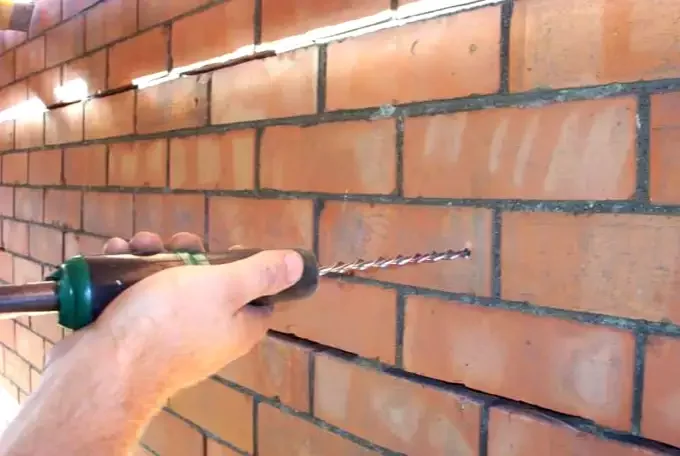
Remedial tie systems can often introduce new connections through small drilled holes. Where the wall is suitable for this approach, sound masonry can remain in place rather than being unnecessarily opened up.
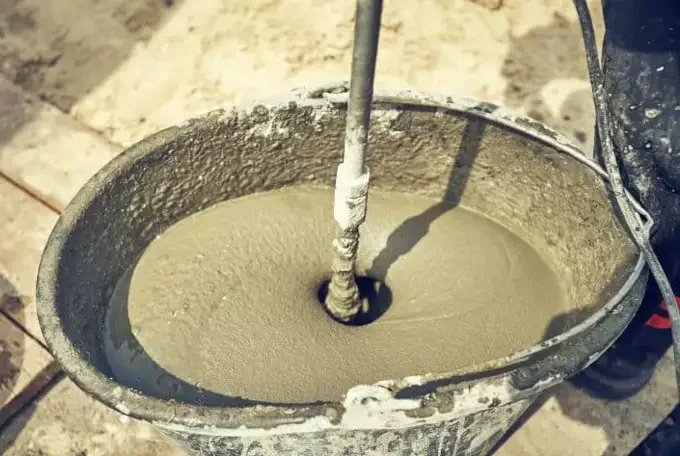
The replacement system is selected around the materials, cavity dimensions and required fixing performance. Stainless steel ties may use dry installation, resin bonding or combined fixing methods, depending on the specification.
The design also establishes tie length, embedment and distribution. Testing may be included where required to assess performance in the existing construction or check installed connections.
Original ties need a separate decision within the same repair plan. Where corroding metal could continue expanding in mortar joints, appropriate isolation or removal may be necessary alongside the new installation to address that remaining source of damage.


Planning the Structural Repair and Surface Reinstatement
Providing new ties does not automatically restore damaged mortar or return displaced masonry to its original position. The condition of the surrounding wall must therefore be considered when deciding what the completed work needs to include.
Local masonry repairs or suitable reinforcement may be required alongside remedial tying. Installation holes and other disturbed surfaces are subsequently made good with attention to the existing brickwork, mortar or render.
Where the evidence suggests a separate problem affecting the building’s support, that requires its own assessment. Our subsidence repairs in Woking and foundation repairs in Woking address different structural concerns where these are identified.
Setting out these requirements clearly helps establish the order of work. It also allows property owners to distinguish repairs providing new connections from those addressing existing damage or another cause of movement.
Organising Access Across Woking’s Residential Areas
Practical access forms an important part of planning wall tie replacement. Narrow passages, adjoining extensions, garden structures and higher elevations can affect working space and the equipment required.
We welcome enquiries throughout Woking, including Horsell, Knaphill, St John’s, Old Woking and Pyrford. Each assessment considers the particular building rather than assuming that neighbouring properties share the same construction or repair needs.
Existing finishes also influence the installation and making good. Weathered brickwork, painted masonry and textured render need suitable treatment, with the expected reinstatement considered before work begins.
Our team can review photographs and relevant survey information when discussing your enquiry. Details of previous alterations, repairs and access restrictions help explain the property and support arrangements for an assessment.

Frequently Asked Questions
Original wall ties are normally incorporated during construction to connect the separate leaves of a cavity wall. Remedial ties are installed into an existing building where assessment establishes that additional or replacement connections are required. The installation method must suit the materials already present, rather than relying on access available when the wall was first built. Remedial systems can often be fitted through small drilled holes, with the fixing arrangement selected around the construction. Their installation does not automatically resolve problems caused by original corroding ties, which may require separate treatment. The repair specification should therefore explain both how new connections will be formed and how any existing defective ties capable of causing further damage will be managed.
Yes, an extension may use different materials, cavity dimensions or connection arrangements from the original building. Its ties may also be in a different condition, so the assessment should establish what is present rather than assuming one specification suits the whole property. Altered openings and junctions can introduce further variations that need consideration. Inspection findings help determine which sections require treatment and how suitable connections can be achieved within them. Information about when the extension was built and any previous repairs can provide useful background. The resulting scope should identify the areas being treated and explain any differences in approach. This allows repairs to reflect the construction and condition of each affected part of the building.
Yes, associated work can be included where the findings establish that it is necessary. Our structural crack repairs in Woking can support projects requiring appropriate masonry reinforcement, while concrete repair in Woking addresses suitable concrete elements where separate deterioration is identified. New wall ties and these additional repairs perform different functions, so each needs to correspond to an assessed defect. The scope should make those roles clear and establish the order in which work will be completed. Coordinating the necessary tasks allows structural requirements to be addressed before final surface reinstatement. It also helps property owners understand what is included and how the different elements contribute to the overall repair.
The scope is based on the construction, inspection findings and condition of the affected walls. Visible symptoms provide part of the evidence, while examination of selected concealed connections helps establish whether replacement is justified. Differences between elevations, extensions and previous repairs may influence the areas requiring treatment. Access and external finishes also affect the practical work involved. Where another structural concern is identified, further investigation or a separate repair design may be needed. For example, micro piling in Woking has a different purpose and would only be considered where appropriate to a foundation scheme. A clear specification brings the relevant findings together, identifying the replacement work, treatment of original ties and any associated masonry reinstatement required.
City Structural welcomes wall tie replacement enquiries across Woking, including Horsell, Knaphill, St John’s, Old Woking and Pyrford. We also provide the service in Guildford, with wider coverage including Windsor and Bracknell. Each property is assessed individually, accounting for its construction, visible symptoms and relevant history of alterations or repairs. Useful information when making an enquiry includes the address, photographs and extracts from an existing survey. Wider views of the affected elevations help explain the setting, while closer photographs show the damage. These details support the initial discussion, with the required inspection and repair scope established around the actual condition of the building.