Wall Tie Replacement in Newbury
Specialist Assessment and Repair of Cavity Wall Ties
City Structural provides wall tie replacement in Newbury for buildings affected by deteriorating ties, inadequate connections and associated brickwork damage. We investigate the condition of the existing wall before specifying remedial work suited to its construction and the defects identified.
Repeated mortar cracking or concerns raised during a building survey can leave property owners uncertain about the repairs required. City Structural helps clarify the cause, assess the need for replacement ties and establish how any surrounding masonry damage should be addressed.
Finding the Reason for Recurring Mortar Cracks
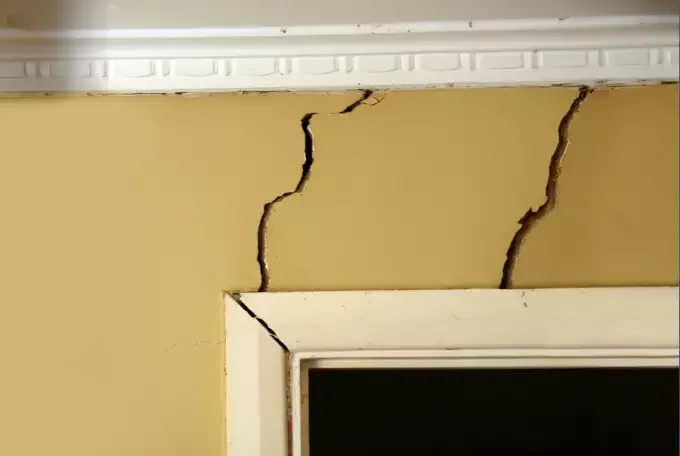
Cracking that returns after repointing deserves closer investigation. Although the surface may have been repaired, a concealed defect can continue to place stress on the surrounding masonry.
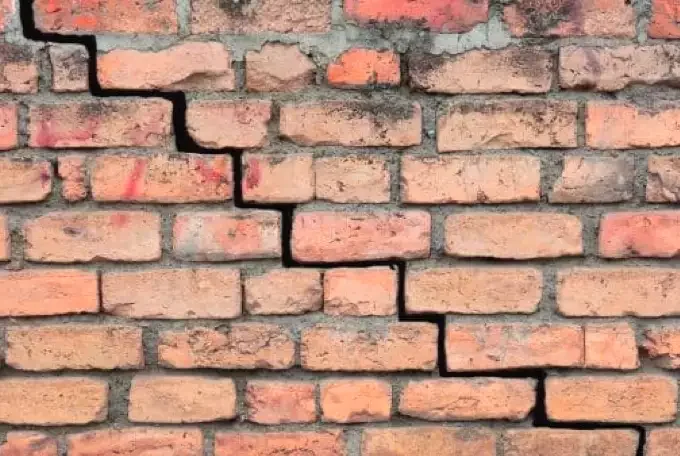
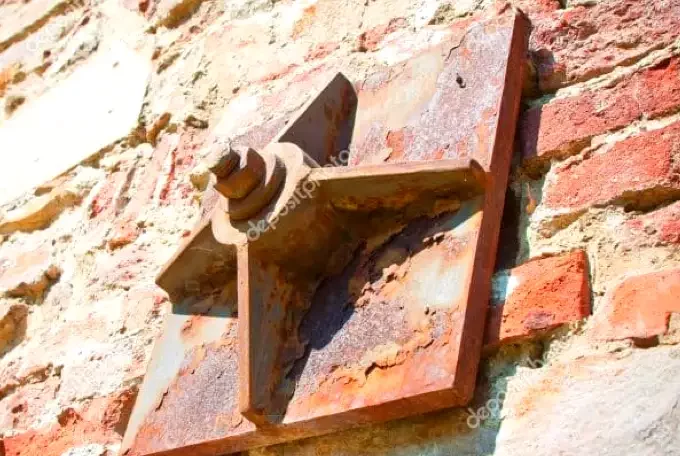
One possible cause is corrosion affecting older metal wall ties. As corrosion products expand around an embedded tie, pressure can develop within the mortar joint and produce horizontal cracking. The same process may affect several joints across an elevation.
However, recurring cracks do not automatically mean that wall ties are responsible. Movement elsewhere in the building, local masonry defects and previous alterations can also influence the pattern of damage.
Our structural repairs in Newbury consider these possibilities when assessing an affected property. Identifying the source of the problem provides a stronger basis for repair than repeatedly renewing the visible pointing.


Checking Tie Condition Before Specifying Repairs
A wall tie investigation needs to establish both the construction of the wall and the condition of its connections. Different sections of a property may contain different materials, particularly where extensions or alterations have been added.
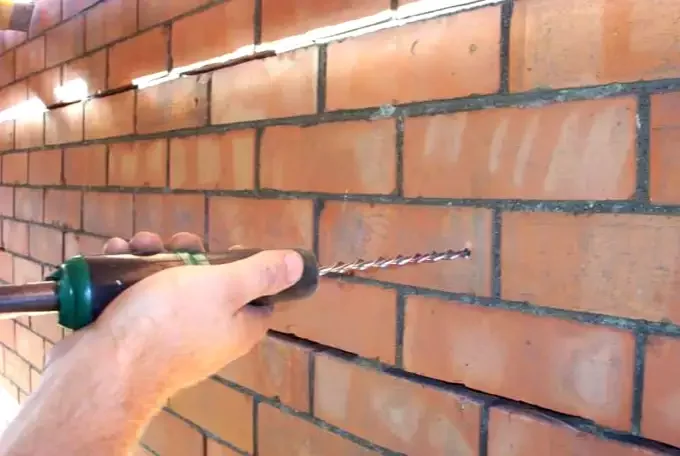
City Structural can locate existing metal ties and inspect selected positions using an endoscope through small access holes. This helps reveal conditions within the cavity that would otherwise remain concealed behind the external brickwork.
The findings inform decisions about whether replacement is necessary and which areas require treatment. The assessment also considers the suitability of the existing materials to receive new fixings.
Where masonry cracking requires additional investigation, our structural crack repairs in Newbury provide a related service. Considering the ties and surrounding wall together helps establish a repair specification that reflects the actual defects present.
Creating Reliable Connections Across the Cavity
Remedial ties are used to provide specified connections between the external masonry and the inner structure. Many systems allow installation through small drilled holes, reducing the amount of sound brickwork that needs to be disturbed.
The appropriate tie depends on the wall construction, cavity width and materials being connected. Stainless steel systems may use dry fixing, resin bonding or a combination of methods, with the installation selected around the required performance.
Tie length, embedment and distribution form part of the repair specification. Testing may also be needed to establish suitable fixing performance within the existing materials and check installed connections.
The original ties must be considered alongside the new installation. If corroded ties could continue expanding within mortar joints, suitable isolation or removal may be required to address that continuing source of damage.


Dealing with Existing Damage as Part of the Repair
Wall tie replacement addresses the specified connections, but damage already present in the masonry may need separate treatment. Cracked joints, broken bricks or displaced sections should therefore be assessed when defining the overall scope.
Depending on the findings, additional work may include local masonry repairs or reinforcement. Installation holes and disturbed surfaces are subsequently made good with attention to the surrounding brickwork, mortar or render.
A wall tie defect can also exist alongside an unrelated structural concern. Where the evidence indicates movement affecting the building’s support, our subsidence repairs in Newbury and foundation repairs in Newbury provide relevant supporting services.
Explaining these distinctions helps property owners understand what each part of the work achieves. The repair sequence can then address the identified causes before the final surface reinstatement is completed.
Preparing Newbury Buildings for Remedial Work
Practical preparation helps establish how each affected wall can be reached and repaired. Garden access, adjoining extensions, narrow passages and upper-storey elevations can all influence equipment requirements and working arrangements.
We welcome enquiries throughout Newbury, including Shaw, Donnington and Wash Common, as well as nearby Speen. Each property is assessed individually, with attention to the differences between original construction, later additions and previously repaired areas.
The proposed scope should explain which elevations require treatment, how existing ties will be managed and what associated masonry repairs are included. External finishes and the expected appearance of reinstated areas should also be discussed.
Our team can review photographs, survey findings and information about previous work when considering your enquiry. These details help explain the concern and provide useful context for arranging an assessment.

Frequently Asked Questions
Yes, previous repointing or local brickwork repairs may have addressed visible damage without resolving a concealed wall tie defect. If original ties remain ineffective or continue to expand through corrosion, further cracking may occur despite the improved surface appearance. However, recurring damage can have other causes, so the earlier work and current condition both need assessment. Information about previous repairs can help establish what was treated and whether further investigation is required. Photographs taken before and after that work may also provide useful context. The aim is to identify any unresolved defect before specifying additional repairs. Replacement ties, treatment of original ties and masonry reinstatement should each be considered according to the evidence found within the affected wall.
The treatment area is established through assessment of the wall construction, visible symptoms and condition of existing connections. Inspection findings from selected positions help inform whether the concern is localised or requires wider investigation. Different elevations may have different requirements, especially where materials, alterations or previous repairs vary. An extension may also need separate consideration from the original house. A defect found in one position does not establish the condition of every tie, so the inspection scope needs to reflect the building and the concern being assessed. The resulting specification should identify the areas requiring treatment and explain the proposed installation. This allows replacement work to be planned around the findings rather than assuming identical repairs are necessary throughout.
No, stainless steel remedial ties provide specified connections but do not automatically repair every defect affecting a building. Existing cracks, damaged masonry or separate movement may require additional work. Our structural crack repairs in Newbury can support projects involving masonry reinforcement, while concrete repair in Newbury addresses suitable concrete elements where deterioration is identified. Foundation interventions have a different purpose again, with micro piling in Newbury considered only where an appropriate foundation design requires it. The assessment establishes how any defects relate and which services are relevant. A clear specification distinguishes the work needed to restore wall connections from repairs addressing existing damage or another cause of movement within the property.
Photographs can support an initial discussion by showing the affected elevations, visible cracking and practical access arrangements. However, they cannot reliably establish the condition of concealed ties or every detail needed for a repair specification. The construction, fixing requirements and extent of any associated damage may require further investigation before a firm scope can be established. Useful images include wider views of each wall and closer photographs of damaged joints or displaced bricks. Survey extracts and information about previous repairs can also help explain the concern. Any estimate should make its basis clear, with the final quotation reflecting the work identified. This helps distinguish replacement tying, access equipment, treatment of original ties and any necessary masonry reinstatement.
City Structural welcomes enquiries across Newbury and surrounding areas, including Shaw, Donnington, Wash Common and Speen. We also provide wall tie replacement in Reading, Wokingham and Maidenhead. The appropriate approach depends on the individual building, including its construction, alterations and the condition of the affected walls. When making an enquiry, providing the address and a description of the symptoms helps establish the starting point. Existing survey findings, photographs and details of access restrictions are also useful. This information supports arrangements for an assessment, with the required inspection and repair scope determined around the property rather than assumptions based on its age, location or similarity to neighbouring buildings.