Wall Tie Replacement in Maidenhead
Practical Solutions for Defective Wall Ties
City Structural provides wall tie replacement in Maidenhead, helping homeowners and property managers deal with weakened connections within cavity walls. We investigate suspected defects and recommend remedial work based on the existing construction, the condition of the masonry and the extent of any damage.
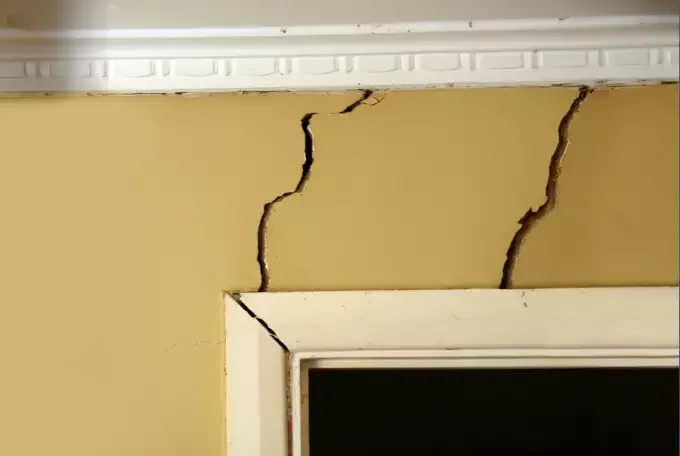
Concerns may begin with cracked mortar, changes in the alignment of brickwork or findings from a property survey. City Structural can assess these symptoms and establish whether replacement ties are needed, explaining how the proposed work relates to the condition of your building.
When External Brickwork Needs Closer Investigation
Wall ties help connect the outer leaf of a cavity wall to the inner structure. When those connections deteriorate or fail to provide adequate restraint, the external masonry can become more vulnerable to lateral forces.
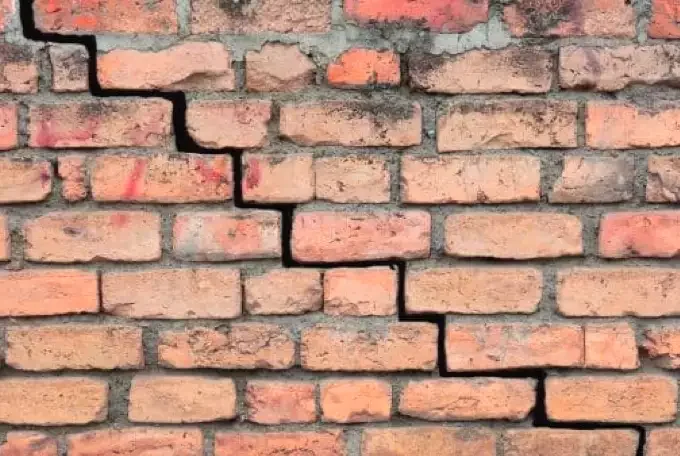
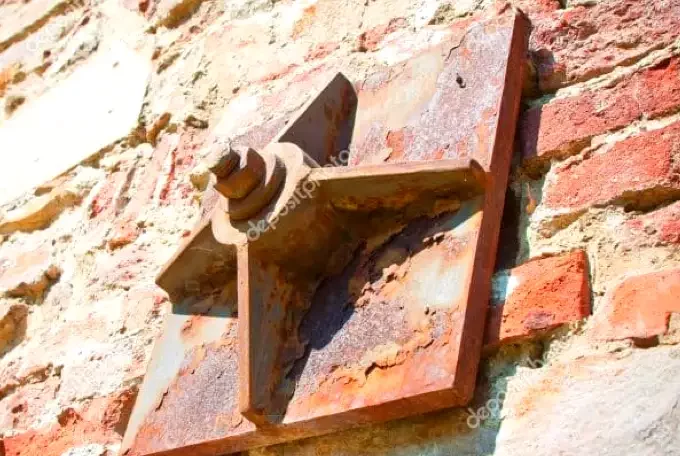
Corrosion is one potential cause of failure. Some older metal ties expand as they rust, placing pressure on the mortar around their embedded ends. This can cause horizontal joints to crack, with damage sometimes appearing at several levels across an elevation.
Other problems involve the original installation, including insufficient ties or ineffective connections within the materials. These defects may be concealed even where the brickwork appears relatively undamaged.
Our structural repairs in Maidenhead allow suspected tie failure to be assessed within the wider condition of the property. The inspection considers whether the symptoms relate to cavity wall restraint or another structural issue.


Building a Clear Picture of the Existing Connections
A useful assessment establishes what is present within the wall rather than relying on external appearance alone. The construction, cavity dimensions and arrangement of existing ties all help inform the investigation.
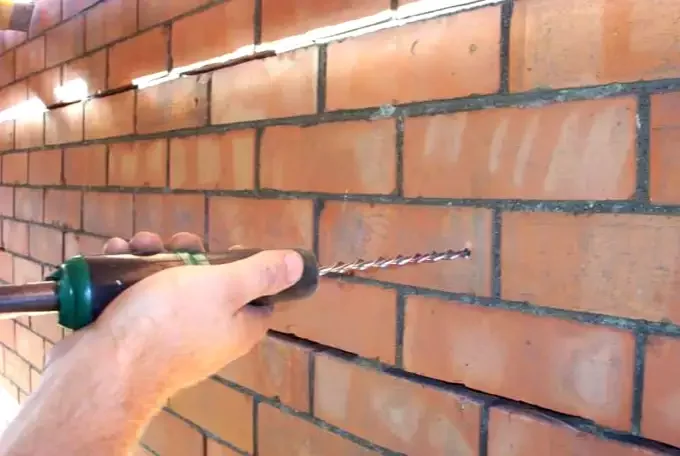
City Structural can locate metal ties and examine selected positions using an endoscope through small drilled access holes. This provides evidence about concealed conditions that cannot be established simply by looking at cracked pointing.
Inspection findings also need to account for variations within the property. A later extension, replacement opening or previously repaired elevation may differ from neighbouring sections of wall.
Where the visible damage requires separate consideration, our structural crack repairs in Maidenhead provide a supporting service. Understanding both the connection defect and the condition of the surrounding masonry helps define a repair scope suited to the building.
Introducing Replacement Ties Without Extensive Opening Up
Many remedial tie systems allow new connections to be installed through small holes in the external masonry. Where the existing wall is suitable, this can reduce the amount of brickwork that needs to be disturbed.
Stainless steel ties are selected to suit the materials and required connection. Depending on the system specified, installation may use dry fixing, resin bonding or a combination of methods.
The repair design determines the tie length, embedment and distribution. Testing may also be included to establish suitable fixing performance within the existing construction and check installed connections.
Replacement work must consider the original ties as well. If corroded ties could continue expanding within mortar joints, suitable isolation or removal may be required. Managing those remaining defects helps ensure the repair addresses both inadequate restraint and a potential source of further masonry damage.


Making Good the Masonry After Structural Work
The condition of the wall after installation depends partly on the damage that existed beforehand. New ties do not automatically close cracks, restore displaced bricks or repair deteriorated joints, so associated masonry work needs to be considered within the specification.
Local crack repairs or reinforcement may be appropriate where the assessment supports them. Installation holes and disturbed surfaces are then made good, with attention to the surrounding brick, mortar or render.
A separate investigation may be needed if the symptoms suggest movement affecting the foundations. Our foundation repairs in Maidenhead and subsidence repairs in Maidenhead address those concerns where identified.
The proposed work should distinguish each element clearly. This helps property owners understand which repairs provide new wall connections, which address existing damage and whether another cause of movement requires attention.
Arranging Work Around Your Maidenhead Property
Access and existing features influence how wall tie replacement is organised. Extensions, covered passages, garden structures and neighbouring boundaries can affect working space, while upper elevations may require suitable access equipment.
We welcome enquiries across Maidenhead, including Furze Platt, Boyn Hill and Cox Green. Each assessment considers the particular property, with no assumption that nearby buildings share the same construction or require identical repairs.
Before installation, the scope should explain which walls are affected, the work involved and how disturbed finishes will be reinstated. Any associated repairs should be identified so that the overall programme is clear.
Our team can discuss your concerns and review relevant photographs or survey extracts. Providing this information helps explain the issue and supports arrangements for an assessment of the building.

Frequently Asked Questions
No, cracks can develop for several reasons, and their appearance alone does not confirm wall tie failure. Corroding ties may cause horizontal cracking within mortar joints, but other defects can produce similar symptoms. The position of the damage, construction of the wall and condition of concealed connections all need consideration. A professional assessment helps establish whether the issue involves inadequate restraint, movement elsewhere in the building or damage requiring another repair method. Our structural crack repairs in Maidenhead support investigations where masonry cracking forms part of the concern. Replacement ties should be specified when the findings justify them, with any associated work selected around the actual defect rather than the assumption that one repair suits every cracked wall.
Yes, although the original building and extension may need different assessment and installation arrangements. Changes in wall construction, cavity width and materials can influence which remedial ties are suitable. Previous alterations may also affect the arrangement of existing connections around openings or junctions. The inspection should establish these differences before the replacement work is specified. It may be appropriate to treat particular elevations or sections separately where their condition varies. Access also needs consideration, especially where an extension restricts working space against the original house. A repair plan based on the individual parts of the building helps ensure that the selected systems and fixing arrangements are appropriate wherever new connections are required within the affected external walls.
Replacement ties should not be assumed to straighten displaced masonry. Their role is to provide specified connections, while the condition and stability of a bulging wall require separate assessment. The extent of distortion, damage to the brickwork and condition of existing restraint all influence the appropriate repair. Some walls may need additional reinforcement or local rebuilding, and severely affected sections can require more substantial work. The specification should explain what the proposed tying achieves and how existing deformation will be addressed. Where investigation identifies a separate foundation issue, micro piling in Maidenhead may be considered within an appropriate foundation design. It is a different intervention and is not automatically required because an external wall has become distorted.
Start with the property address and a description of what has prompted the enquiry. Useful details include when the damage was first noticed, which walls are affected and whether changes have been observed over time. Photographs should ideally show the full elevation as well as closer views of cracked joints, displaced masonry or previous repairs. If a surveyor has raised concerns about wall ties, the relevant report extracts can help explain the findings. Information about extensions, alterations and access restrictions may also be useful. These details support the initial discussion, but photographs cannot establish every concealed condition. The extent of inspection and any proposed repair still need to reflect the construction and condition of the building being assessed.
City Structural welcomes wall tie replacement enquiries throughout Maidenhead and nearby Berkshire locations. This includes properties in Furze Platt, Boyn Hill and Cox Green, alongside enquiries from surrounding areas such as Bray and Cookham. We also provide the service in Windsor, Bracknell and Reading. The approach remains specific to each property, accounting for the construction, visible symptoms and practical access requirements. When discussing a building, it is useful to identify whether the concern affects the original house, an extension or several elevations. Existing survey information can help establish the starting point, with further assessment used to determine whether remedial tying is required and what associated masonry repairs should form part of the work.